Before you buy
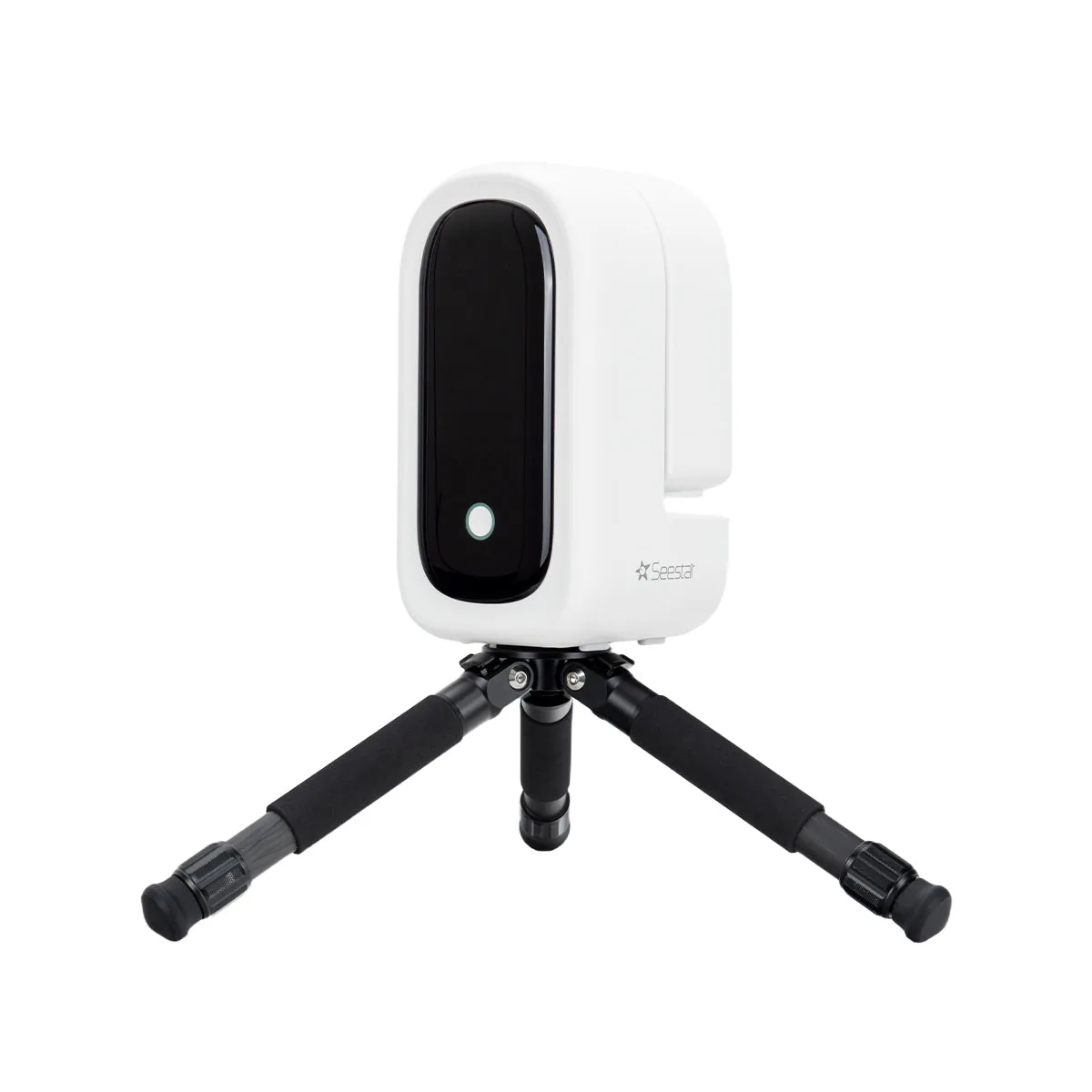
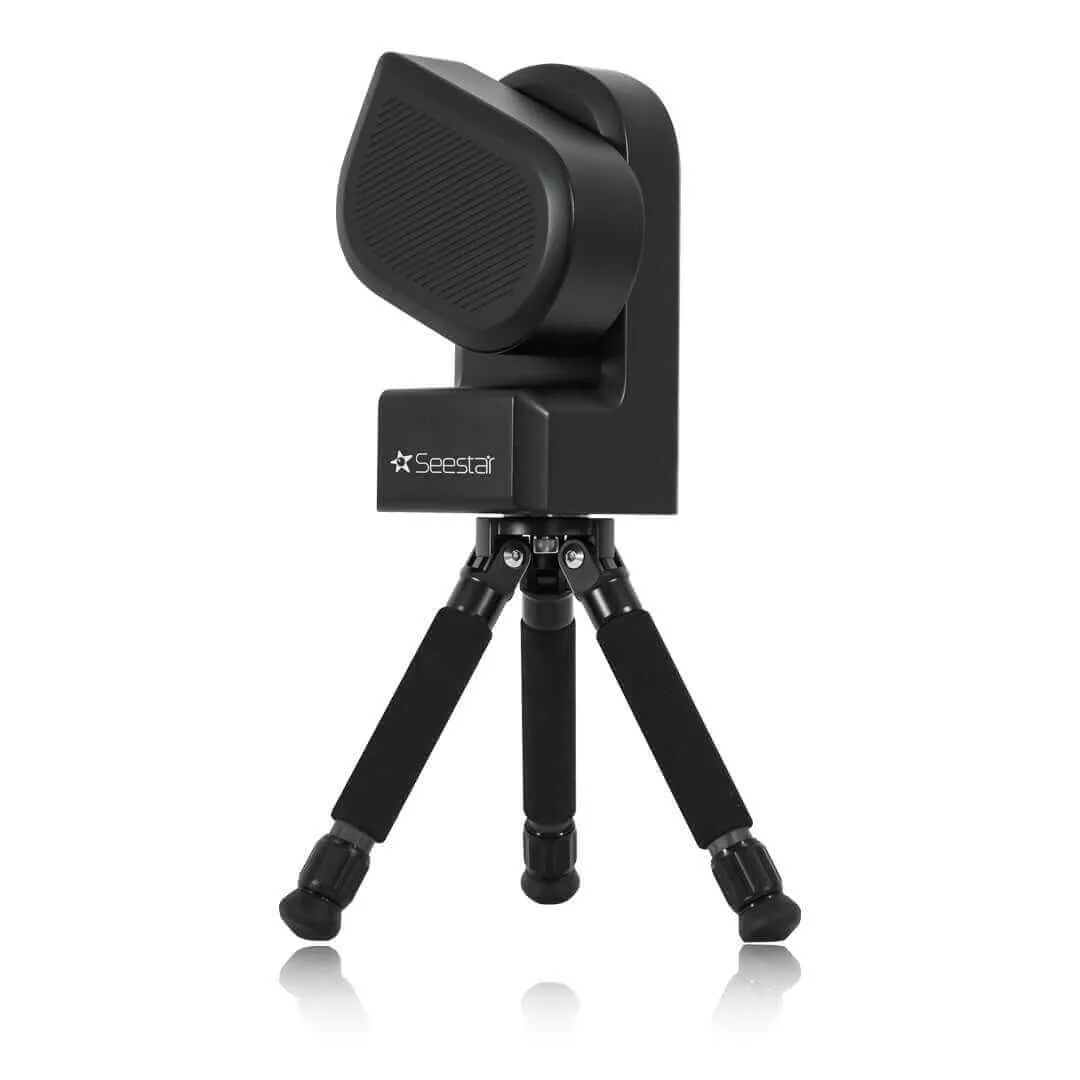
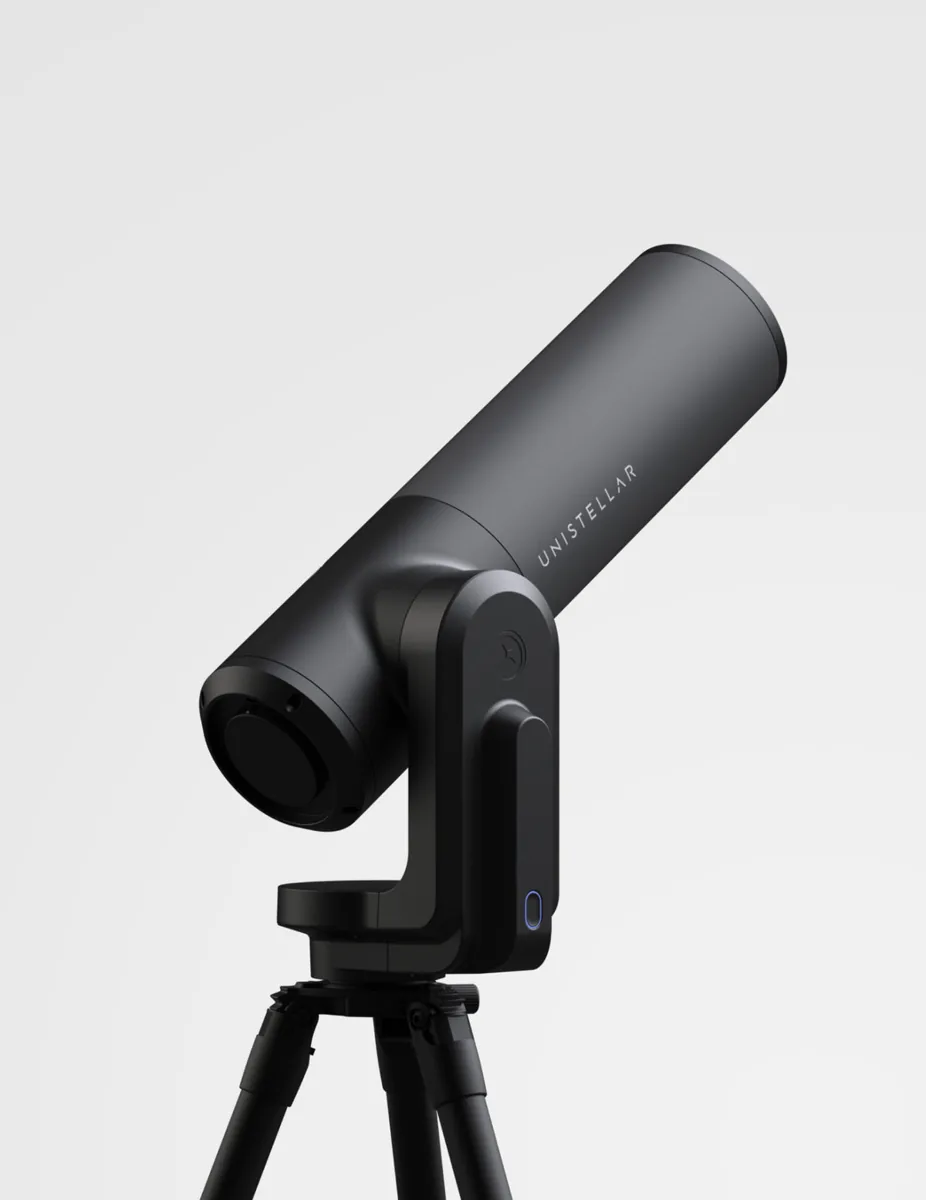
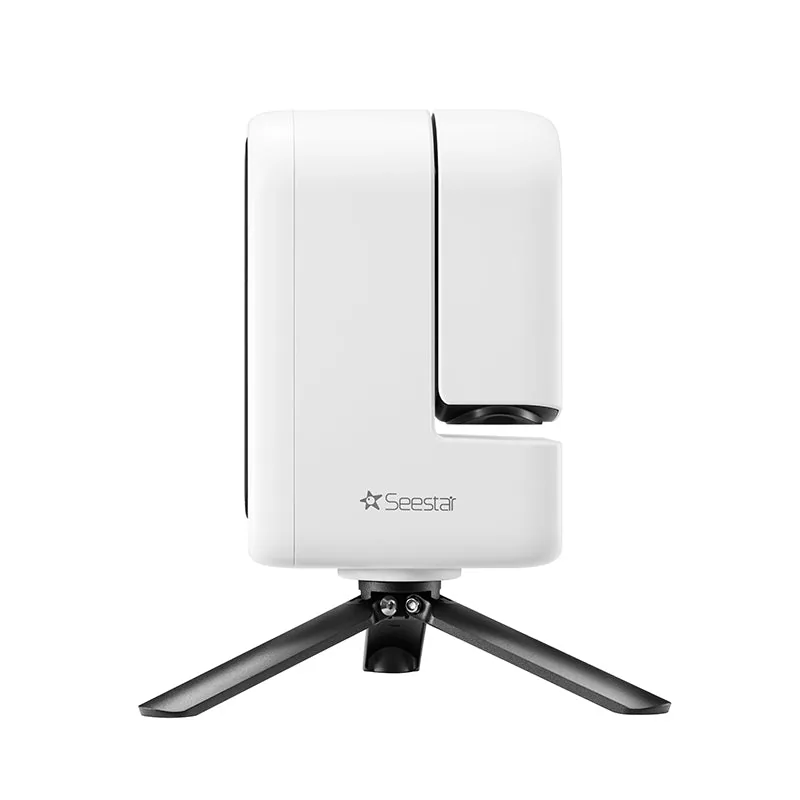
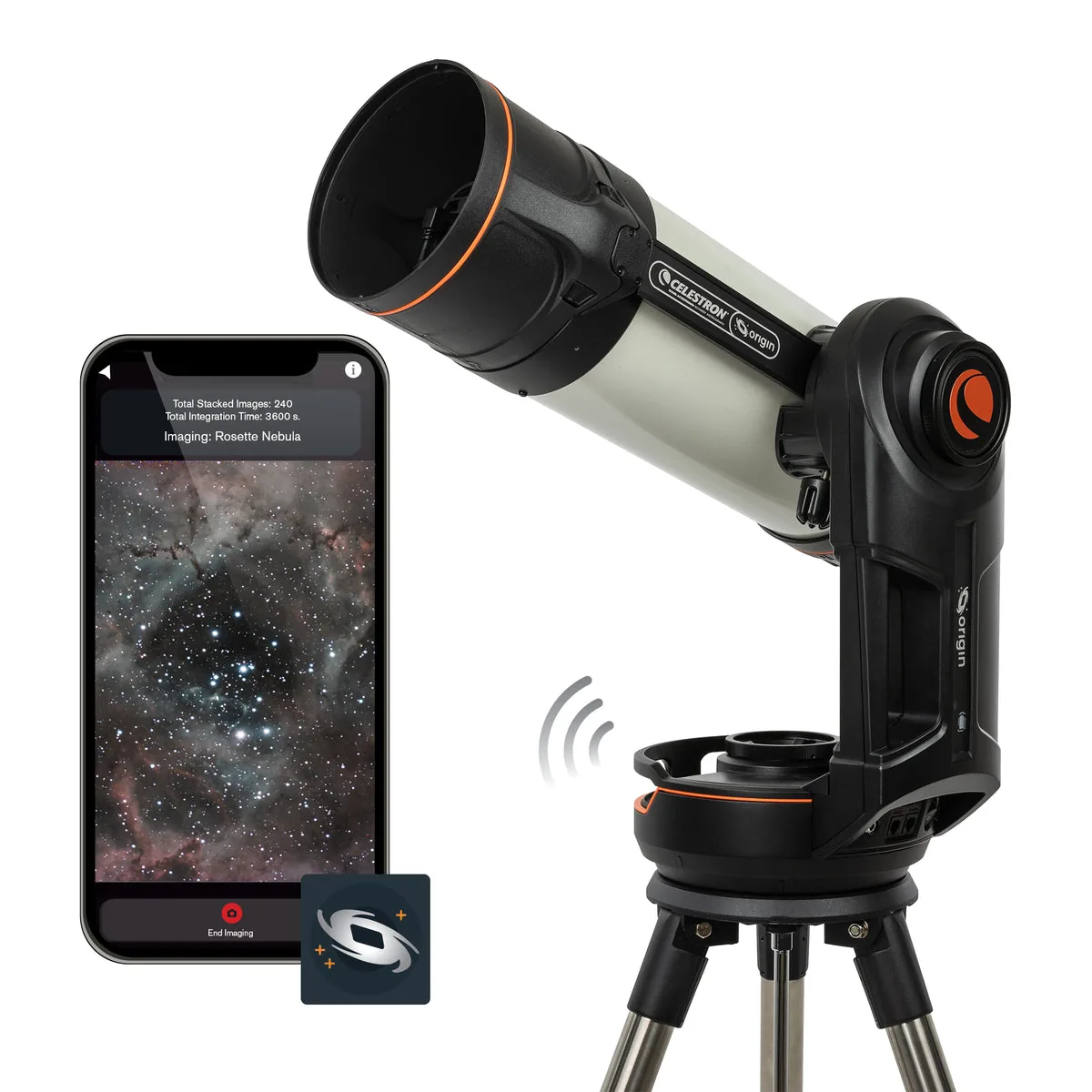
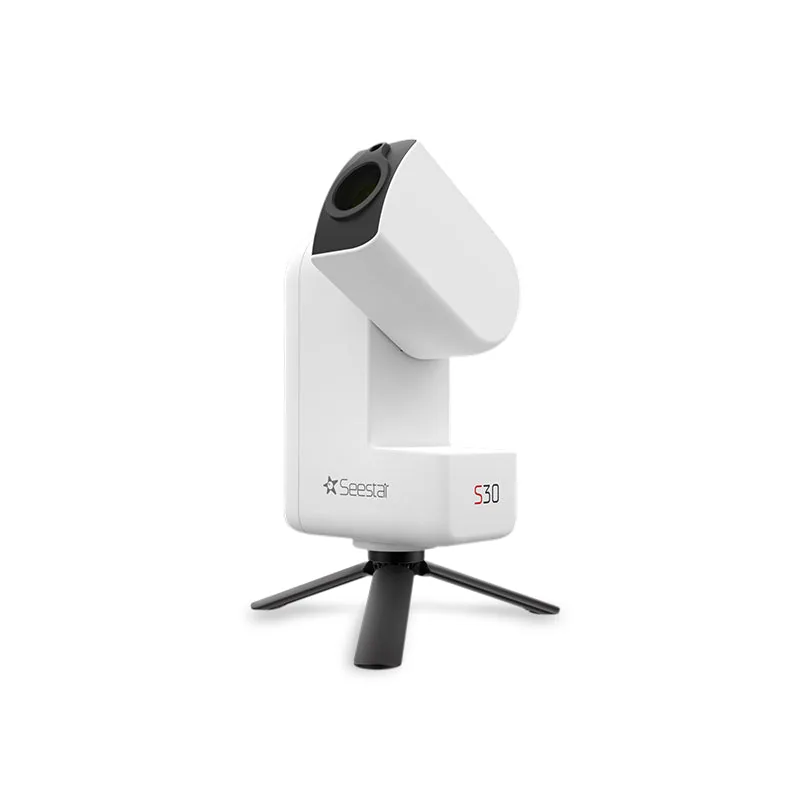
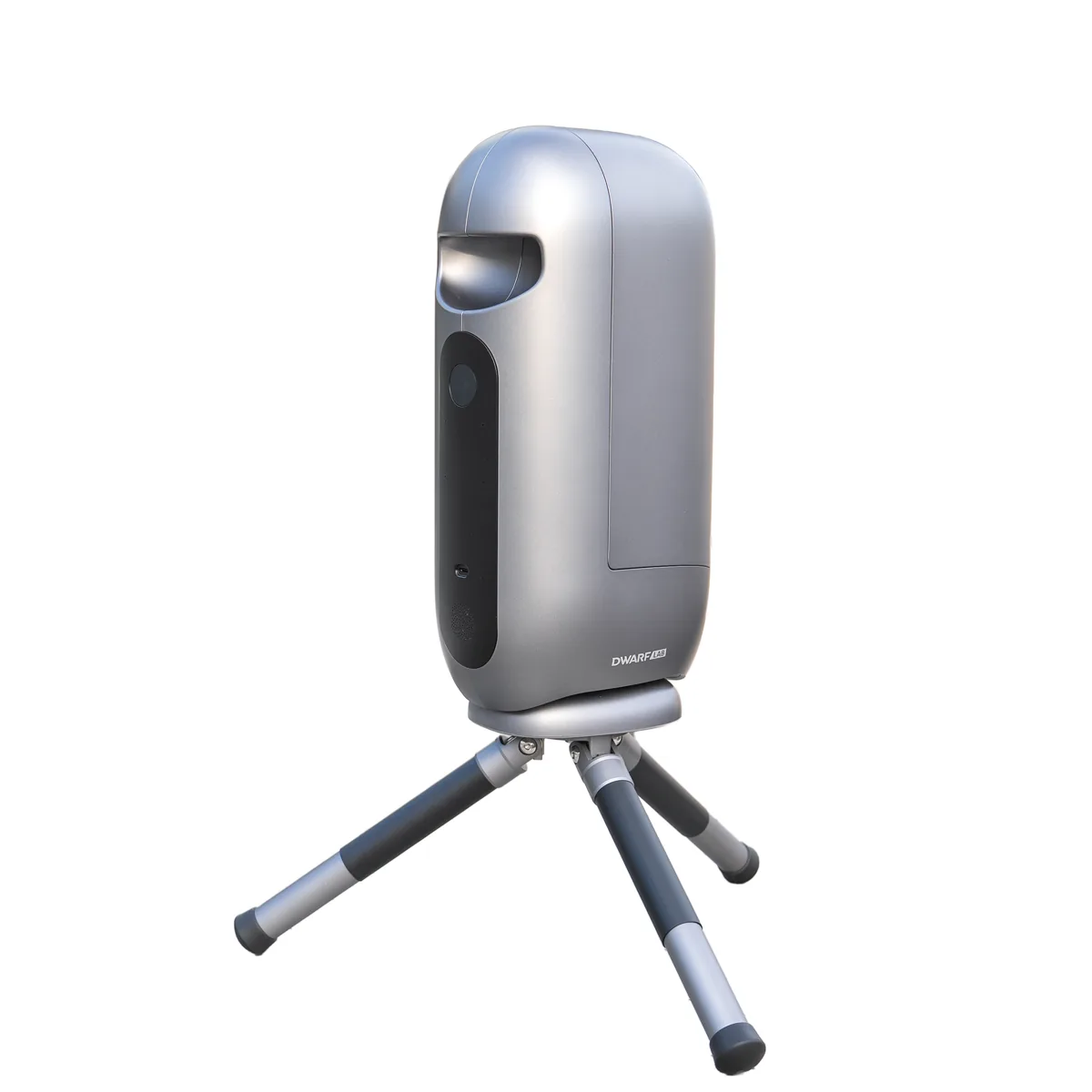
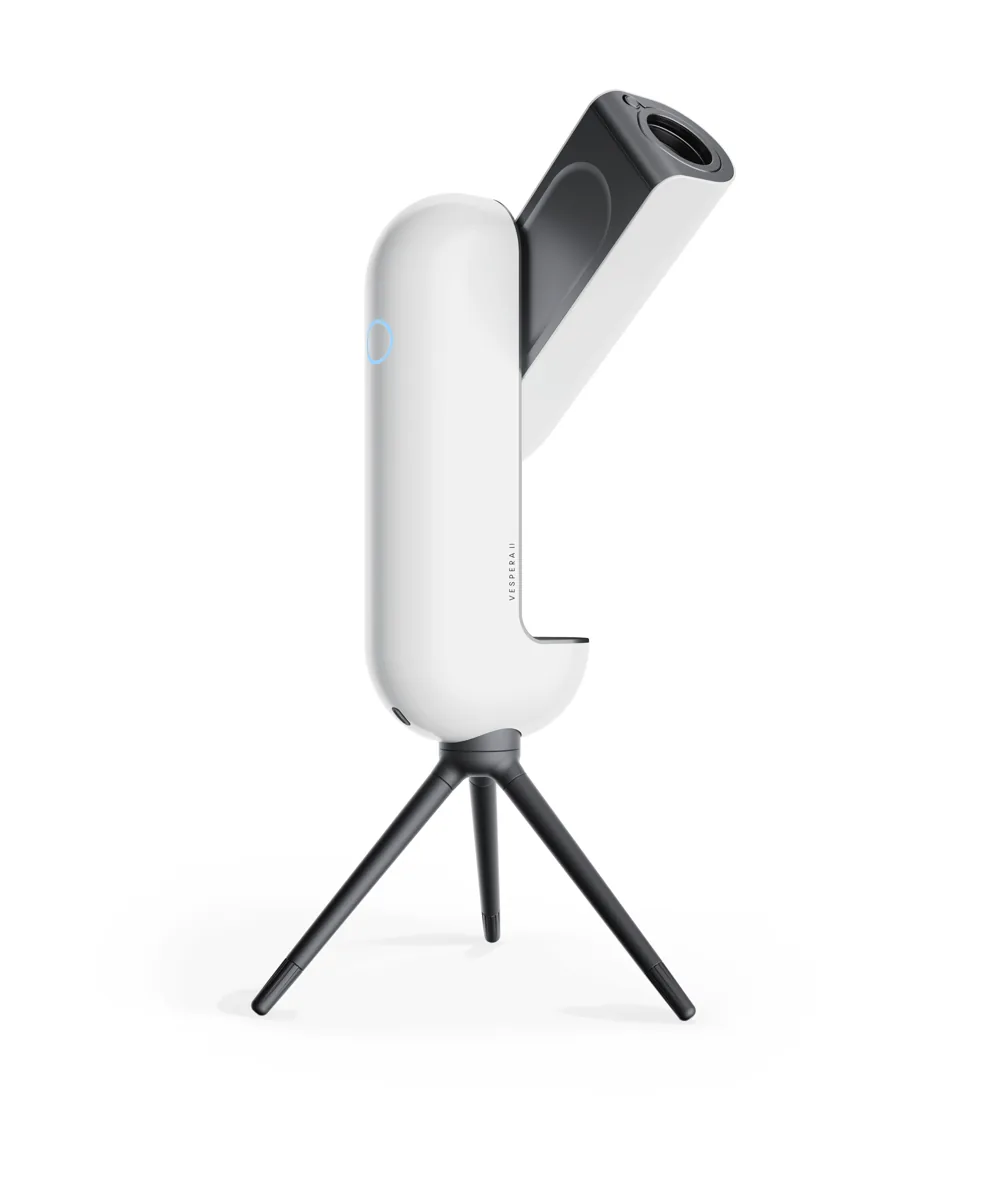
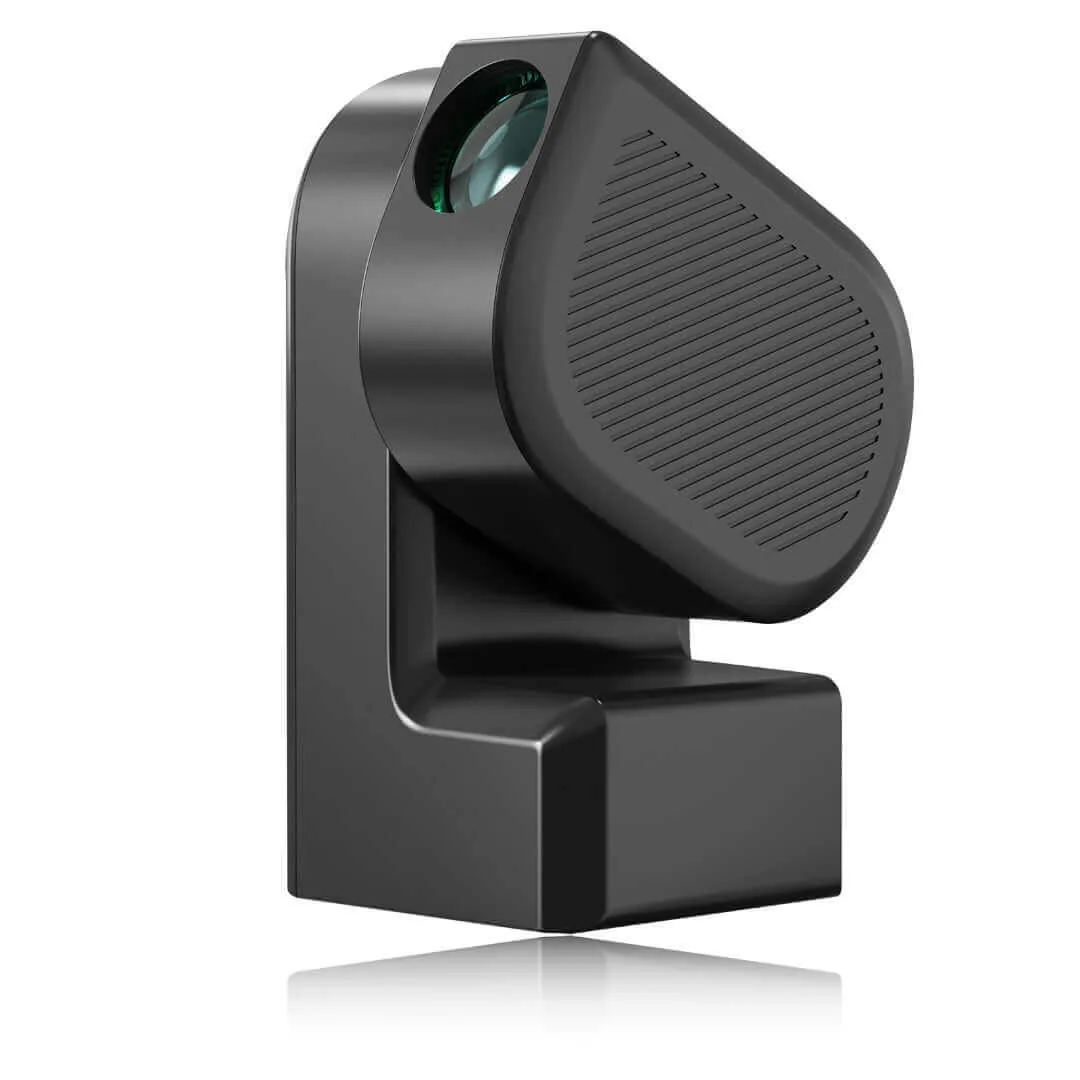
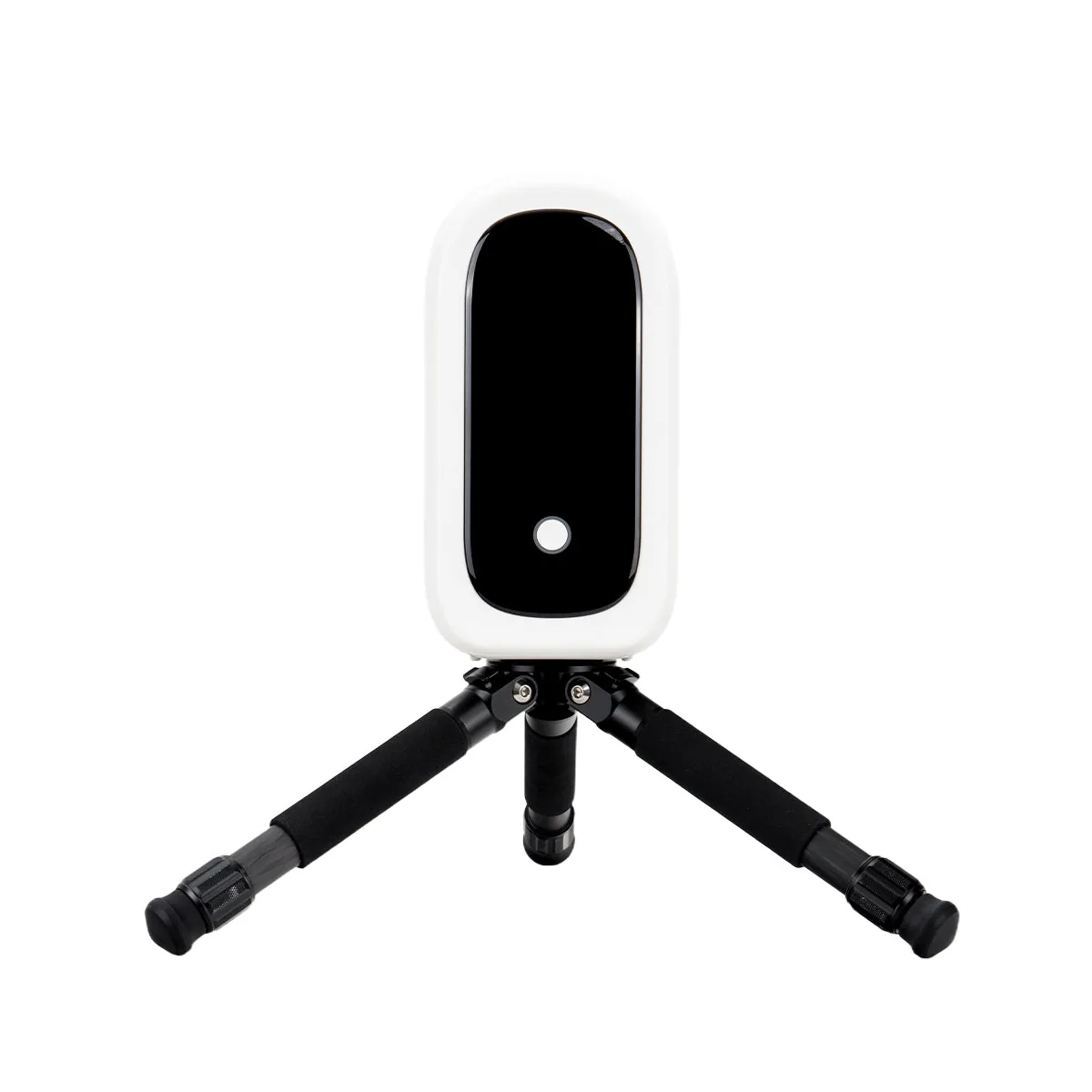
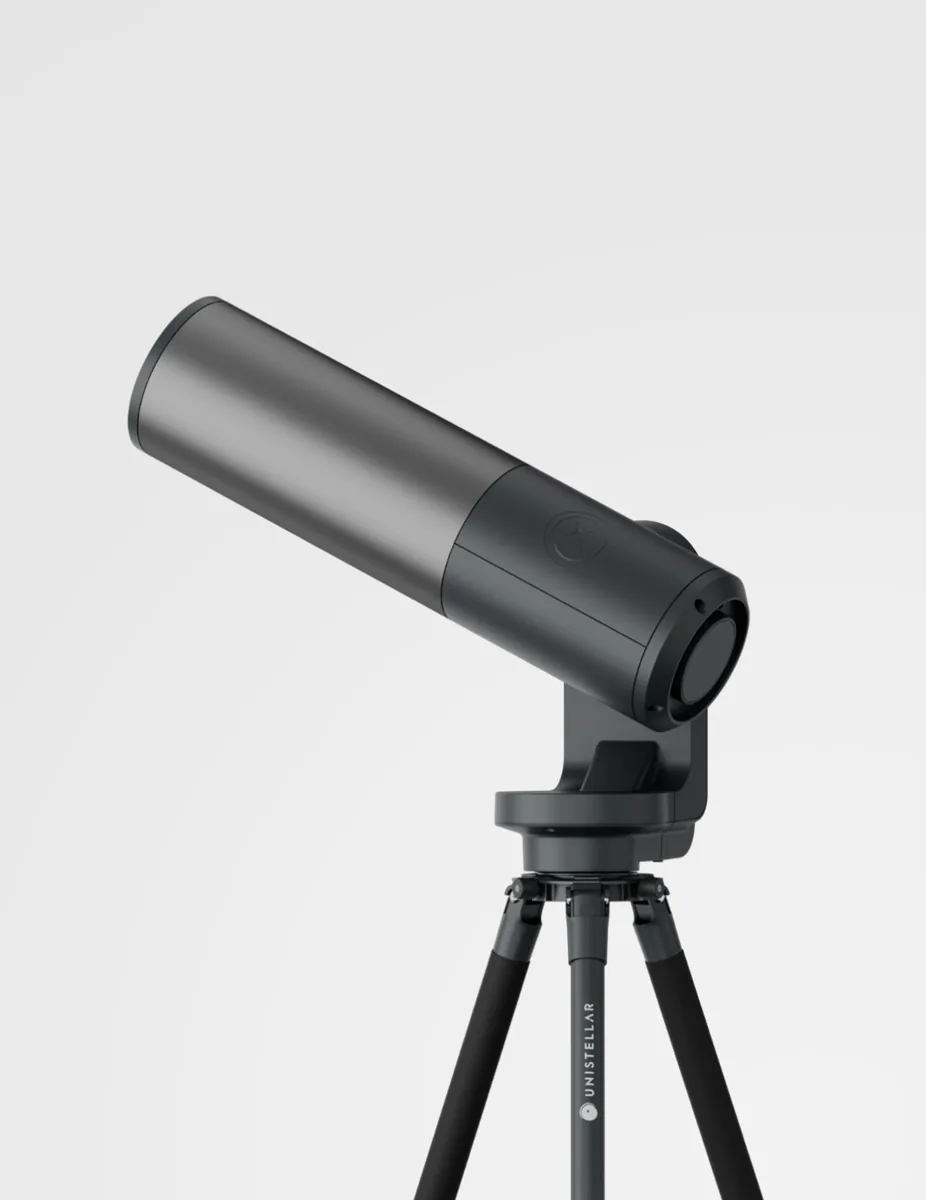
Short answer: for most people, the ZWO Seestar S50 Pro ($999) is the smart telescope to buy in 2026: 50 mm of aperture, two 4K cameras, a built-in light pollution filter and a stated 9-hour battery: the fewest weak spots for the price. On a tighter budget, the Seestar S30 Pro ($699) or DWARF 3 ($549) keep most of the fun; if planets and faint galaxies matter more than price, look at the Unistellar eQuinox 2 and the Celestron Origin Mark II.
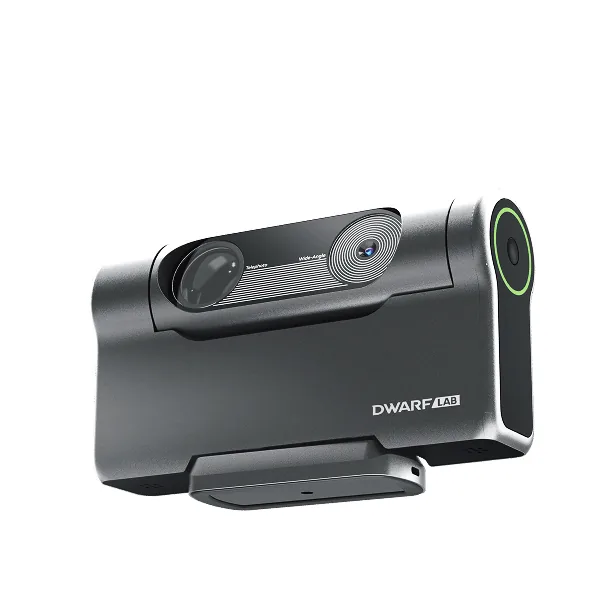
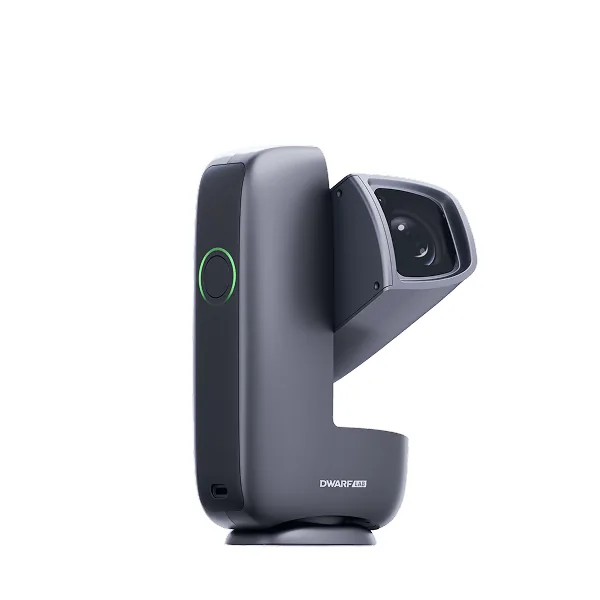
If this is your first smart telescope, plan on $549 to $999. That is where the Seestar S50 Pro, the Seestar S30 Pro and the DWARF 3 sit, and they do what most people actually want: find a nebula from a suburban yard, track it and build a color image on your phone while you hold a hot drink. Around $400, the DWARF mini is the cheap way to find out whether the hobby sticks.
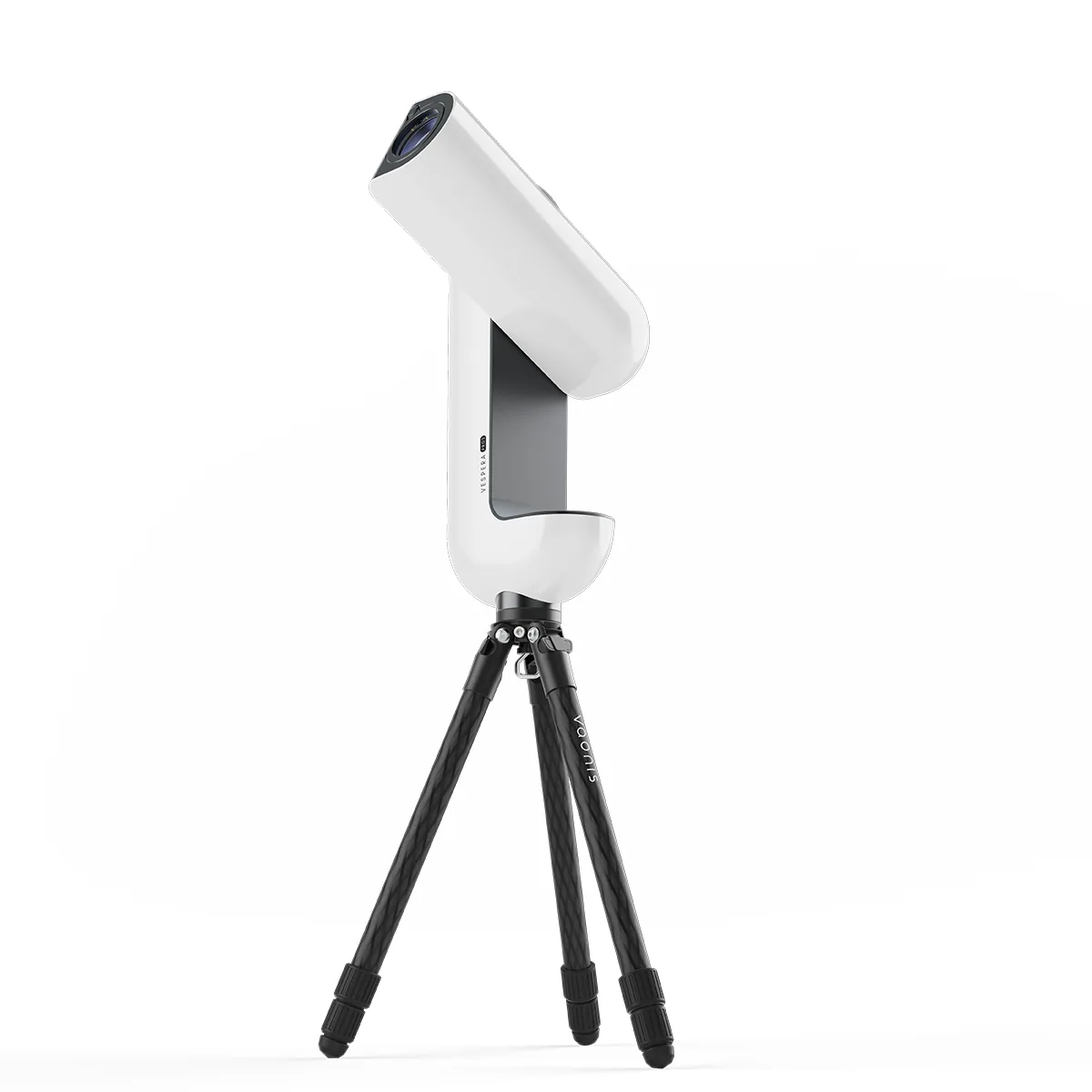
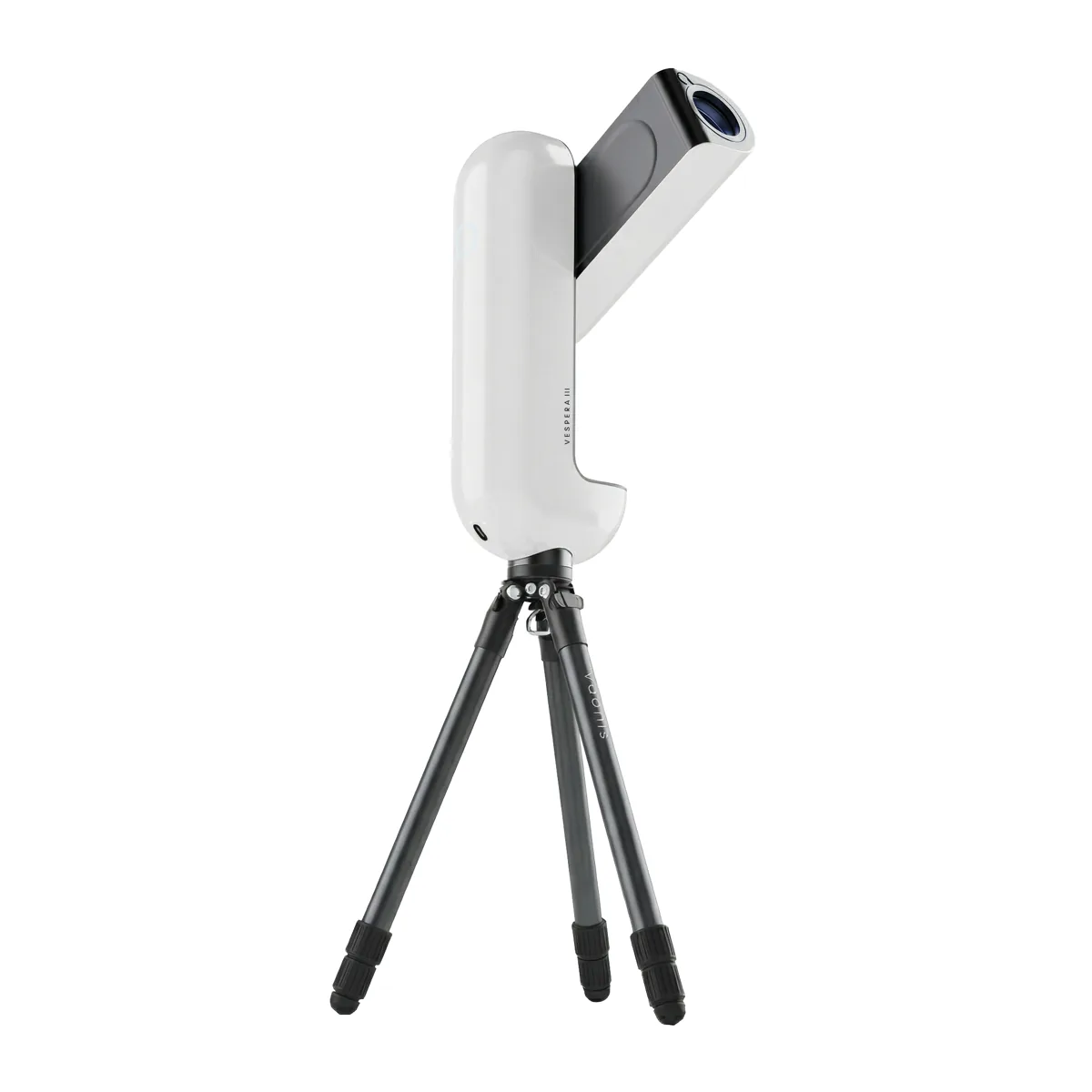
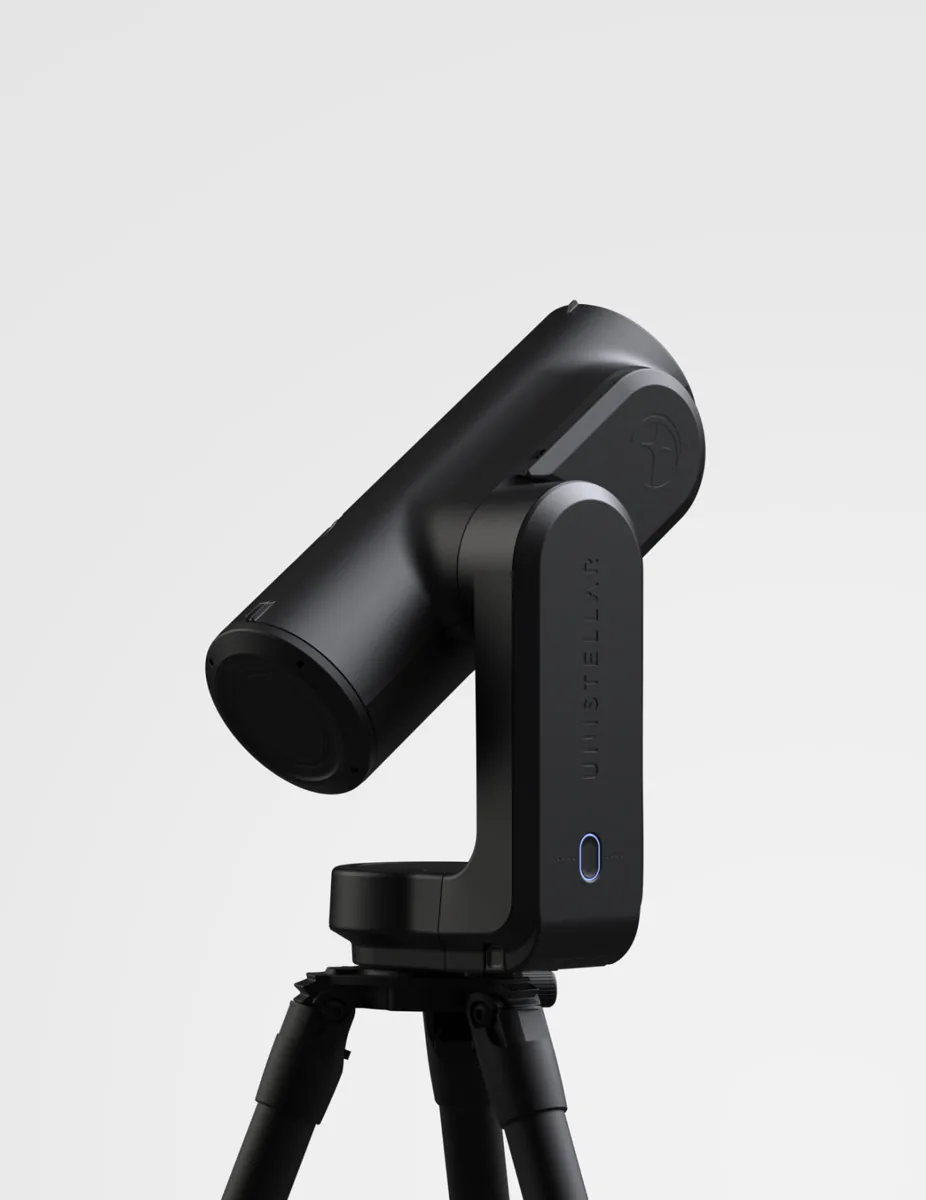
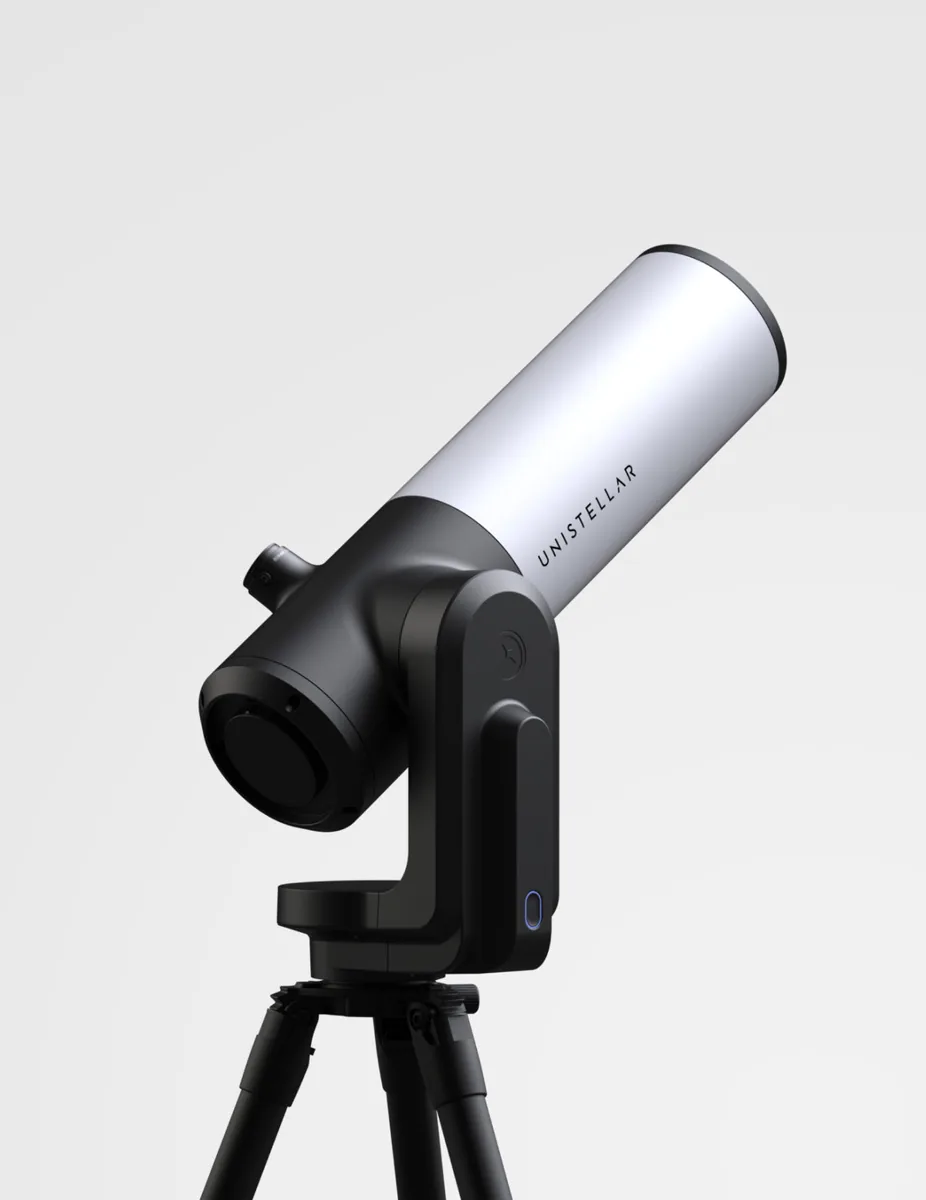
Go above $2,000 (Unistellar, Vaonis, Celestron) when you already know what you want more of: aperture for small galaxies and planets, a 5-year warranty, a tripod and dew heater in the box, or a 6-inch home observatory like the Celestron Origin Mark II. The 14 models below are ranked with the same nine criteria (weights on the methodology page), at the US prices we read on November 9, 2026.
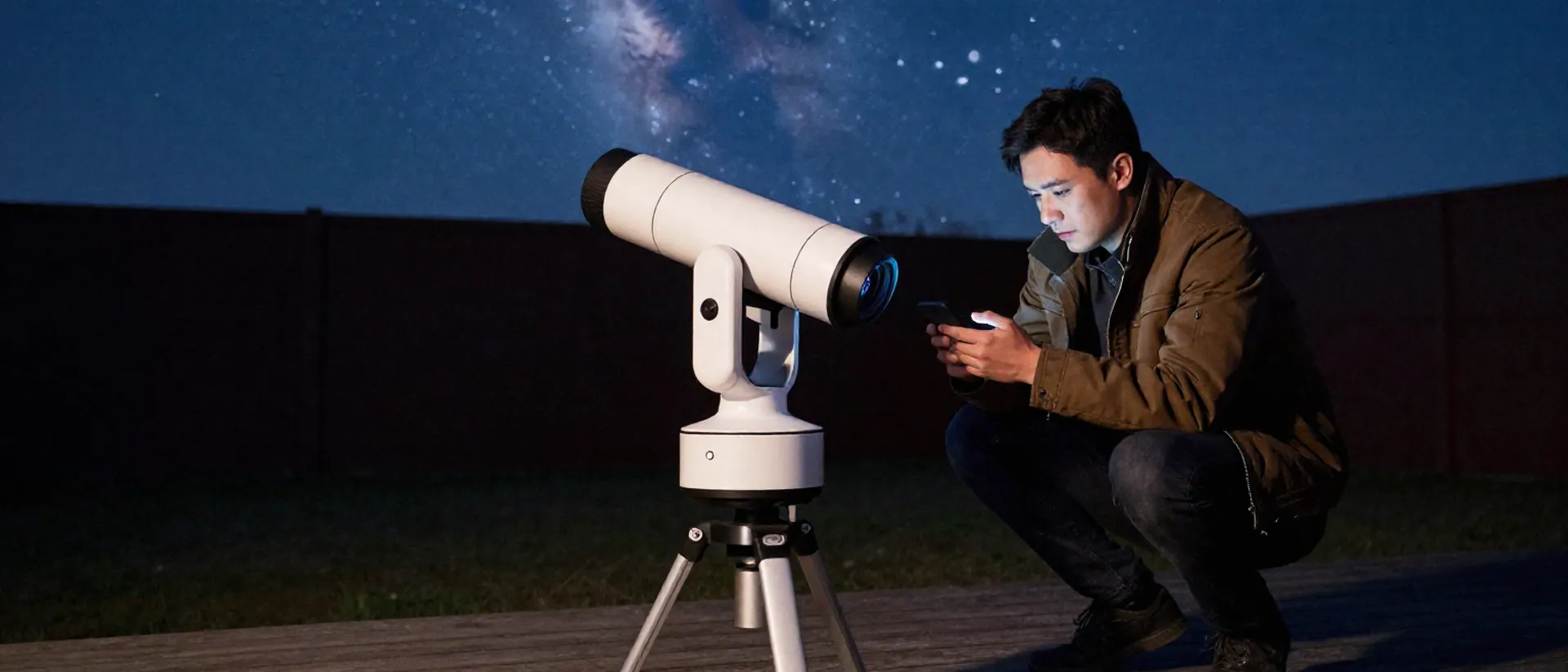
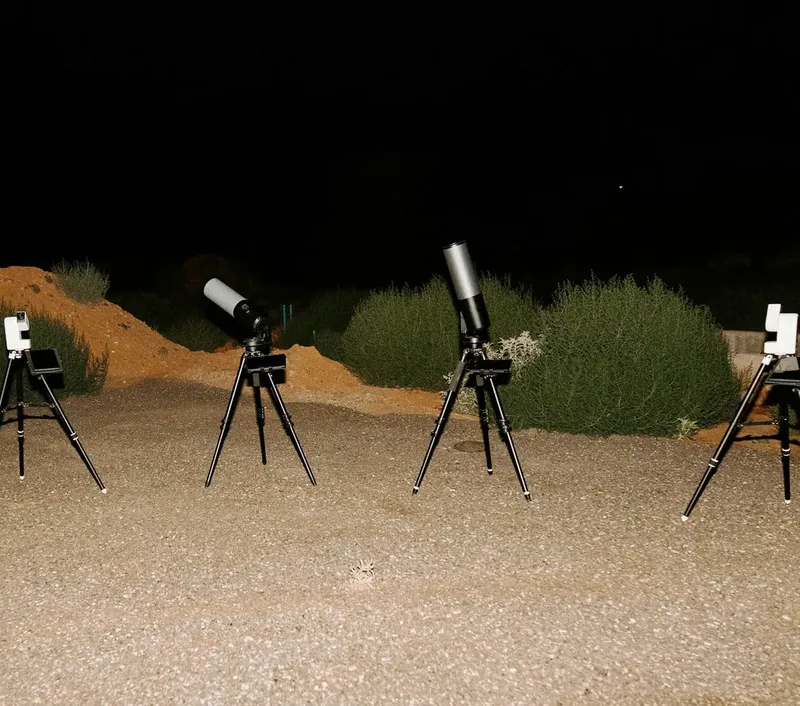
A smart telescope is a telescope, a camera, a motorized mount and a small computer in one box. You place it outside, open an app, tap a target and watch the image build up on your phone as frames are stacked. Nobody here pretends that replaces a big Dobsonian under dark skies; it replaces the hours of setup that keep most beginners indoors.
Ordered by our overall score: aperture 25%, price 15%, sensor resolution 10%, image scale (detail) 10%, light pollution filter 10%, battery life 10%, portability (weight) 10%, tracking mode 5%, warranty 5%. Scope: every smart telescope you can order in the US today, from the $399 Seestar S30 to the $4,299 Celestron Origin.
How to choose
- Aperture first, megapixels second. A 50 mm lens collects almost three times the light of a 30 mm one. More light means faster, cleaner images of faint targets. Sensor resolution matters for printing and cropping, not for seeing more.
- Check the image scale for planets. The arcseconds-per-pixel figure tells you how much detail fits in a pixel. Below 1.5″ (Unistellar, Celestron, Draco), Jupiter and Saturn start to show structure; around 4″ (Seestar S30, DWARF mini), they are dots.
- A built-in dual-band filter is worth a lot in the suburbs. Seestar and DWARFLAB build one in. Vaonis and Celestron sell filters separately; Unistellar offers none.
- Weigh it with the tripod in mind. Under 3 kg, a telescope goes out on a whim. Above 5 kg, it goes out when you plan it. Our portable ranking lists the light ones.
- Read the return policy. Seestar's US store charges 10% on opened returns; Vaonis advertises a 30-day free trial. It matters for a $500 to $5,000 purchase.