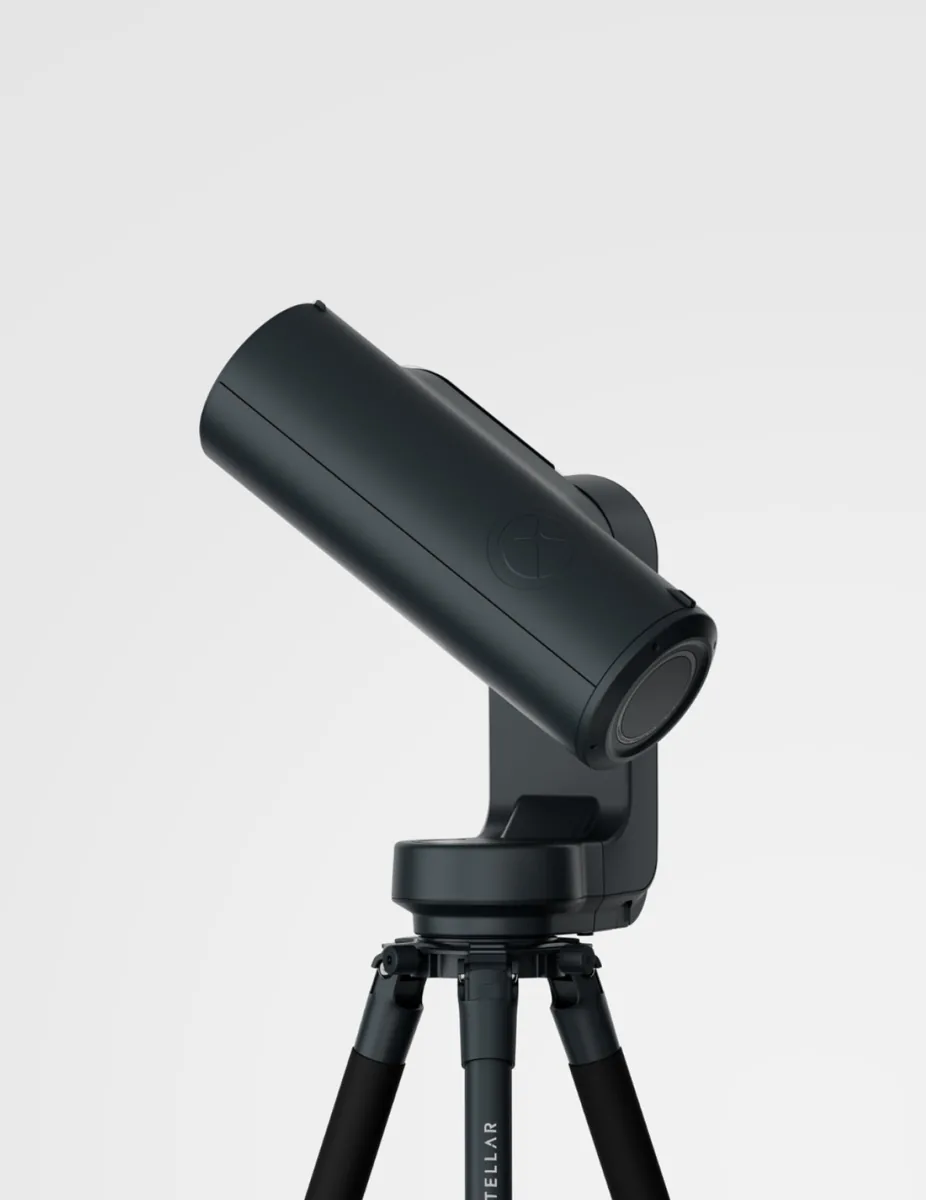
Best smart telescope for planets and galaxies: one for both?
Jupiter and Andromeda ask for opposite things; these are the smart telescopes that get closest to doing both.
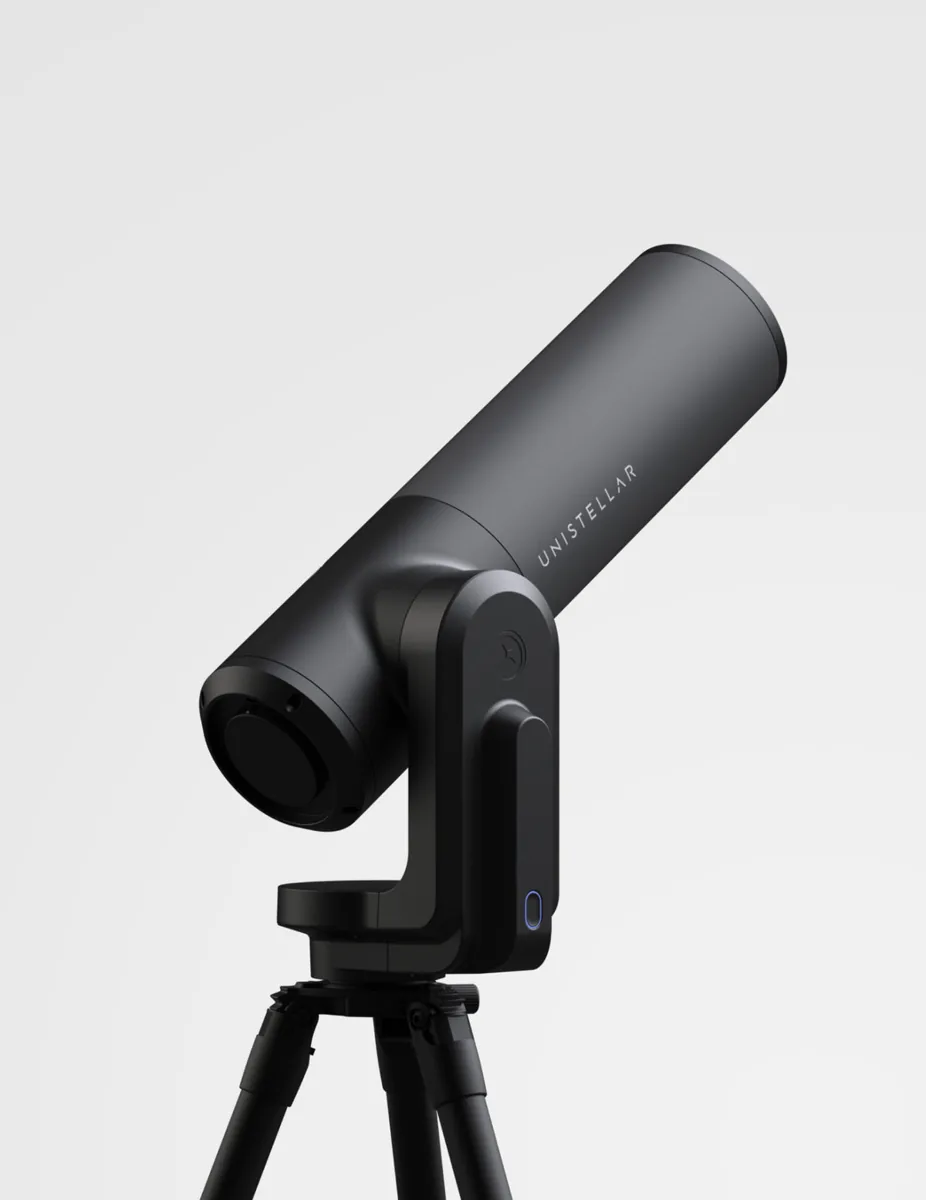
Unistellar eQuinox 28.5/10Read the review
Yes, one smart telescope can do both, but it takes a large aperture and a fine image scale, and that is where prices climb. In our data, the Unistellar eQuinox 2 (114 mm, 1.33″ per pixel, $2,319 on sale) is the best all-rounder: No. 1 in our planet ranking and No. 3 for astrophotography. The Celestron Origin Mark II goes further at $4,299. Under $1,000, the Seestar S50 Pro is the pick if galaxies matter more to you than planets.
Why planets and galaxies pull in opposite directions
Planets are tiny and bright. Jupiter never gets much wider than about 45 to 50 arcseconds, Saturn's globe about 20. To show bands and rings, a telescope needs to put many pixels across that small disc, which means a long focal length or small pixels: a fine image scale. Light is not the problem; the planet is bright enough on its own.
Galaxies are the reverse: large, faint and diffuse. The Andromeda Galaxy spans about 3° of sky, six times the width of the full Moon, while smaller galaxies such as the Whirlpool are a few arcminutes across. Here what counts is how much light the telescope gathers (aperture) and whether the target fits in the frame (field of view). A wide, short focal length suits big galaxies, and a fine image scale helps on the small ones. A telescope that does both well needs aperture and a fine image scale at the same time, and that is a premium combination.
How big Jupiter looks on each telescope
The simplest way to compare planet performance is to divide the size of Jupiter (about 45″ near opposition) by the image scale of each telescope. The result is the width of the planet in pixels on the raw image, before any enlargement. It is a rough guide, since the steadiness of the air limits detail too, but it shows the gap clearly.
| Telescope | Aperture | Image scale | Jupiter, about | Checked price |
|---|---|---|---|---|
| Unistellar Odyssey | 85 mm | 0.93″ | 48 px | $2,079 (sale) |
| Celestron Origin Mark II | 152 mm | 1.23″ | 37 px | $4,299 |
| Unistellar eQuinox 2 | 114 mm | 1.33″ | 34 px | $2,319 (sale) |
| Vaonis Vespera Pro 2 | 50 mm | 1.60″ | 28 px | $2,990 |
| Seestar S50 Pro | 50 mm | 2.30″ | 20 px | $999 |
| DWARF 3 | 35 mm | 2.75″ | 16 px | $549 |
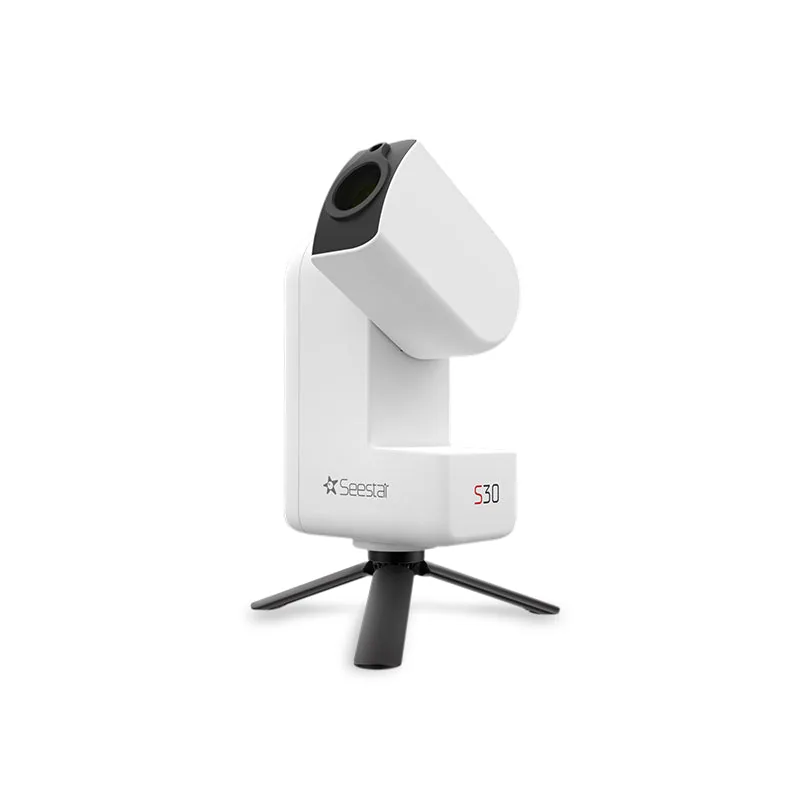
| Seestar S30 | 30 mm | 4.02″ | 11 px | $399 |
At 30 to 50 pixels, Jupiter's main cloud bands and Saturn's rings become readable; at 10 to 20 pixels, you see a disc and a ringed shape. That is exactly what our planet ranking weighs, with image scale and aperture making up three quarters of the score.
Galaxies: light and field
For galaxies, aperture pays off first. A 114 mm mirror gathers about 5 times more light than a 50 mm lens, and the 152 mm Origin about 9 times more. But the frame matters too: the Unistellar models see about 34′ × 45′ of sky, so the core of Andromeda fills the view, while galaxies such as Bode's (M81), the Whirlpool (M51) or the Triangulum fit well. The Seestar S50 Pro, with a 2.8° field, takes in most of Andromeda in one frame.
- Big galaxies (Andromeda, Triangulum): wide fields win: Seestar S50 Pro, Seestar S30 Pro (4.6°), DWARF 3.
- Small galaxies (Whirlpool, Sombrero, Bode's): aperture and fine scale win: eQuinox 2, Origin Mark II, Odyssey.
- Both: a dark sky. Galaxies do not respond to light pollution filters, so a Bortle 5 or darker site makes the biggest difference of all.
The three that cover both best
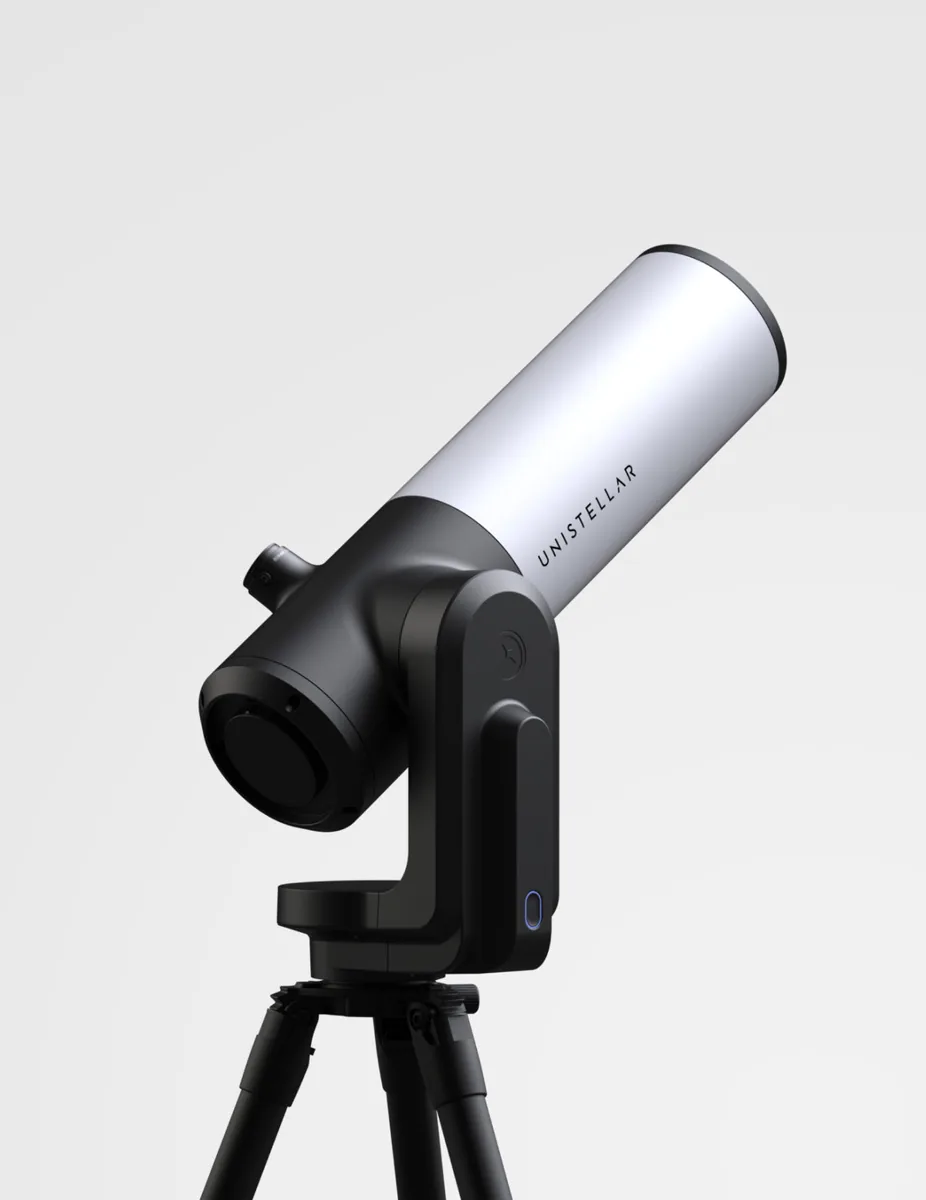
Unistellar eQuinox 2, $2,319 on sale (list $2,899). No. 1 in our planet ranking and No. 3 for astrophotography. Its 114 mm mirror and 1.33″ image scale handle planets and small galaxies, Unistellar states a limiting magnitude of 18.2 and 11 hours of battery, and the tripod is included. The trade-offs: focus is manual with the Bahtinov mask provided, collimation is required (tools included), and the telescope weighs 7 kg. The sale price is labeled limited time by Unistellar, with no end date stated.
Celestron Origin Mark II, $4,299. The largest aperture in our list (152 mm RASA at f/2.2), a 1.23″ image scale, autofocus, an automatic dew heater and a filter drawer. It ranks No. 2 for astrophotography and No. 3 for planets. It is also a home observatory rather than a travel scope: 12.5 kg for the tube and mount, 18.87 kg with the tripod. It was shown as out of stock on celestron.com on November 9, 2026.
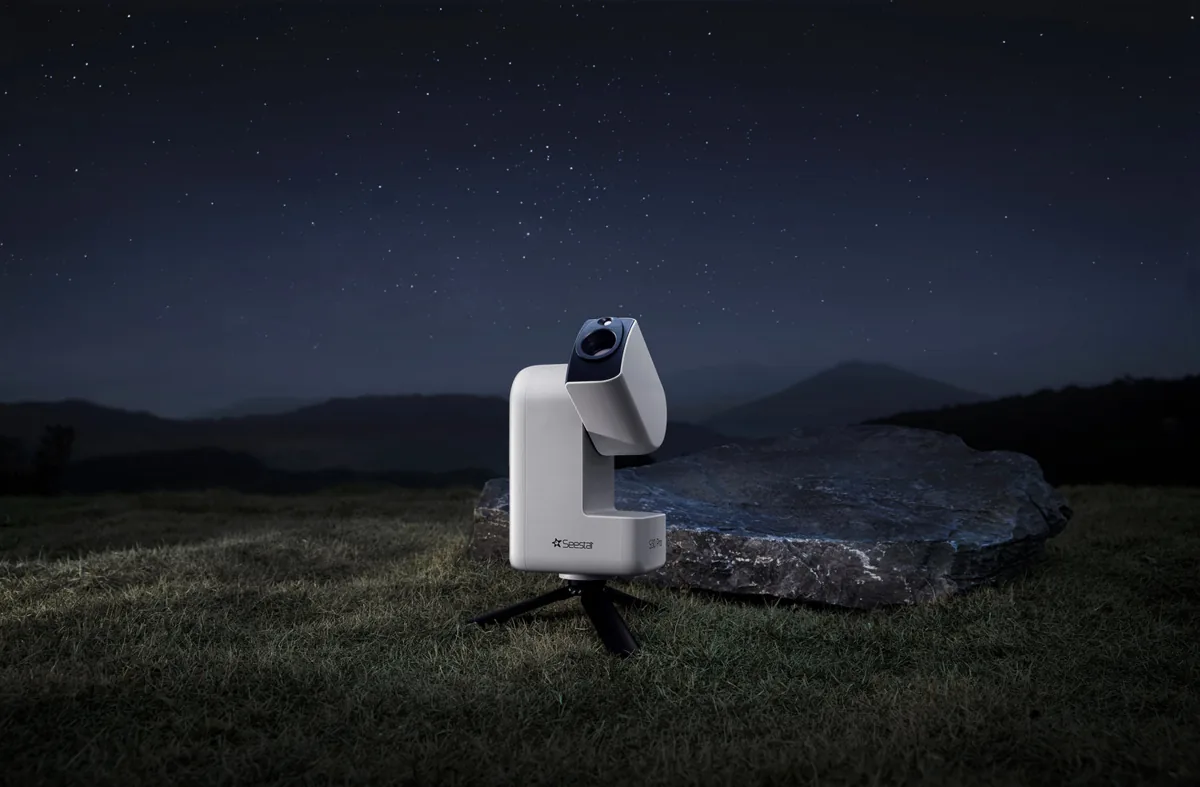
Seestar S50 Pro, $999. Our No. 1 overall and for astrophotography, and the smart buy if galaxies and nebulae come first. Planets stay small at 2.3″ per pixel, but you get two 4K cameras, a built-in dual-band filter, up to 9 hours of stated battery and 60-second exposures in Equatorial Mode, at 2.8 kg.
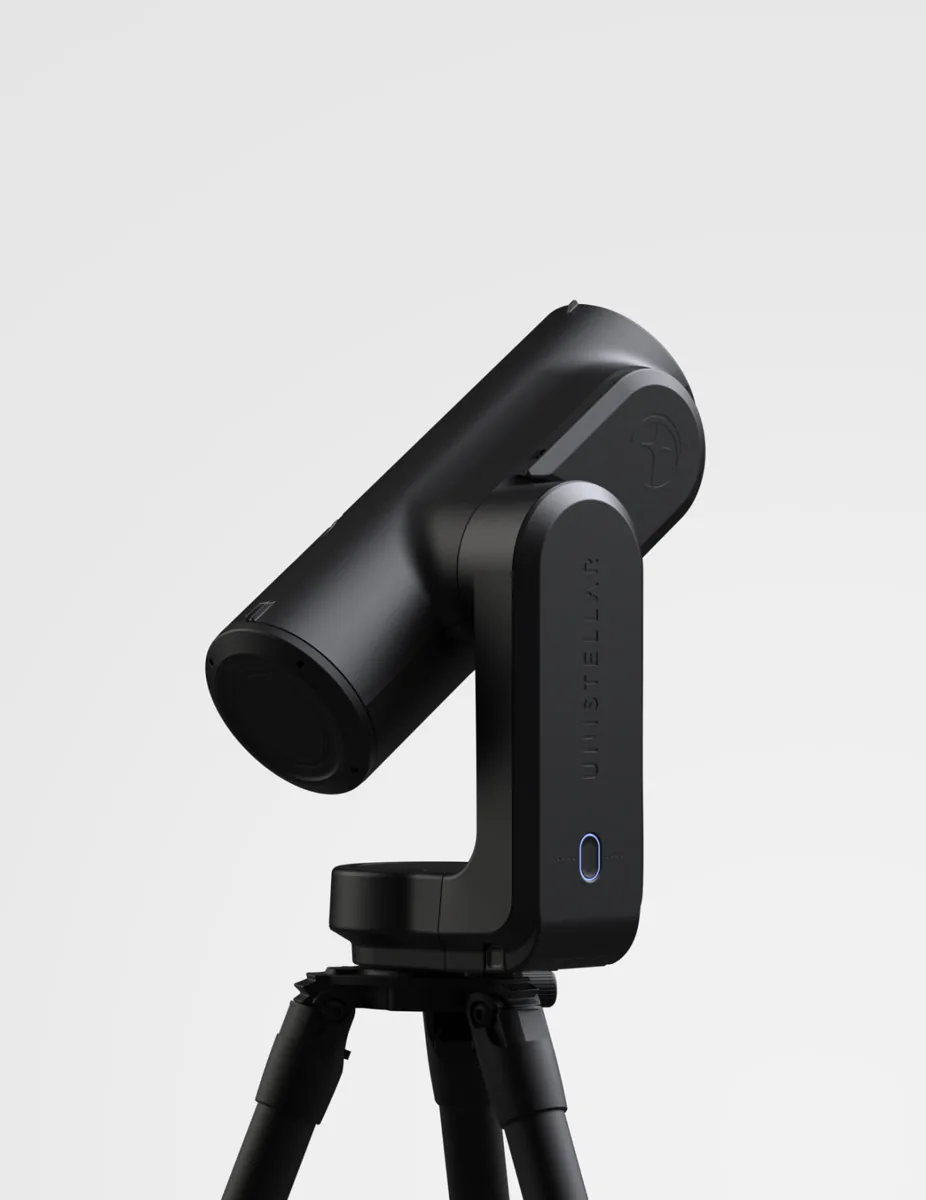 Smart telescopeUnistellar Odyssey
What else to check before you buy
- Focus and collimation: the eQuinox 2 and eVscope 2 need manual focus and collimation; the Odyssey, Odyssey Pro and Origin focus themselves.
- Weight: 4 kg (Odyssey) and 7 kg (eQuinox 2) still go out on a whim; 12.5 kg plus a tripod (Origin) does not.
- Filters: none of the Unistellar models lists a light pollution filter, which matters for nebulae from town, not for planets.
- Eyepiece: if you want to look with your own eye, only the Odyssey Pro and eVscope 2 have an electronic one.
To weigh the two goals yourself, open the planet ranking and the astrophotography ranking side by side, or put your three finalists in the comparison tool.
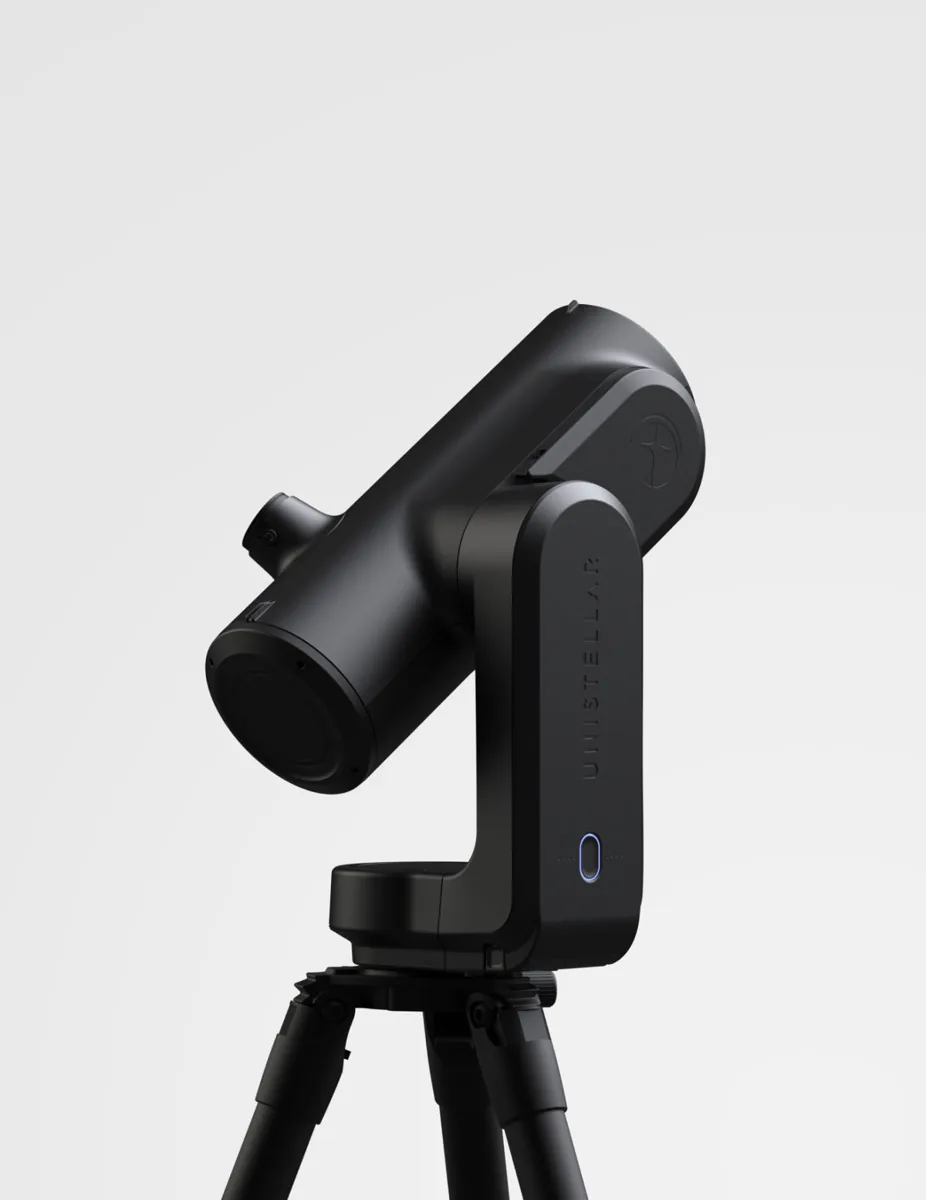 Smart telescopeUnistellar Odyssey Pro
Figures from official manufacturer pages and US prices checked on November 9, 2026. Images: manufacturers. How we score: see our methodology.
Our selection
Three rated telescopes mentioned in this guide, at checked prices.
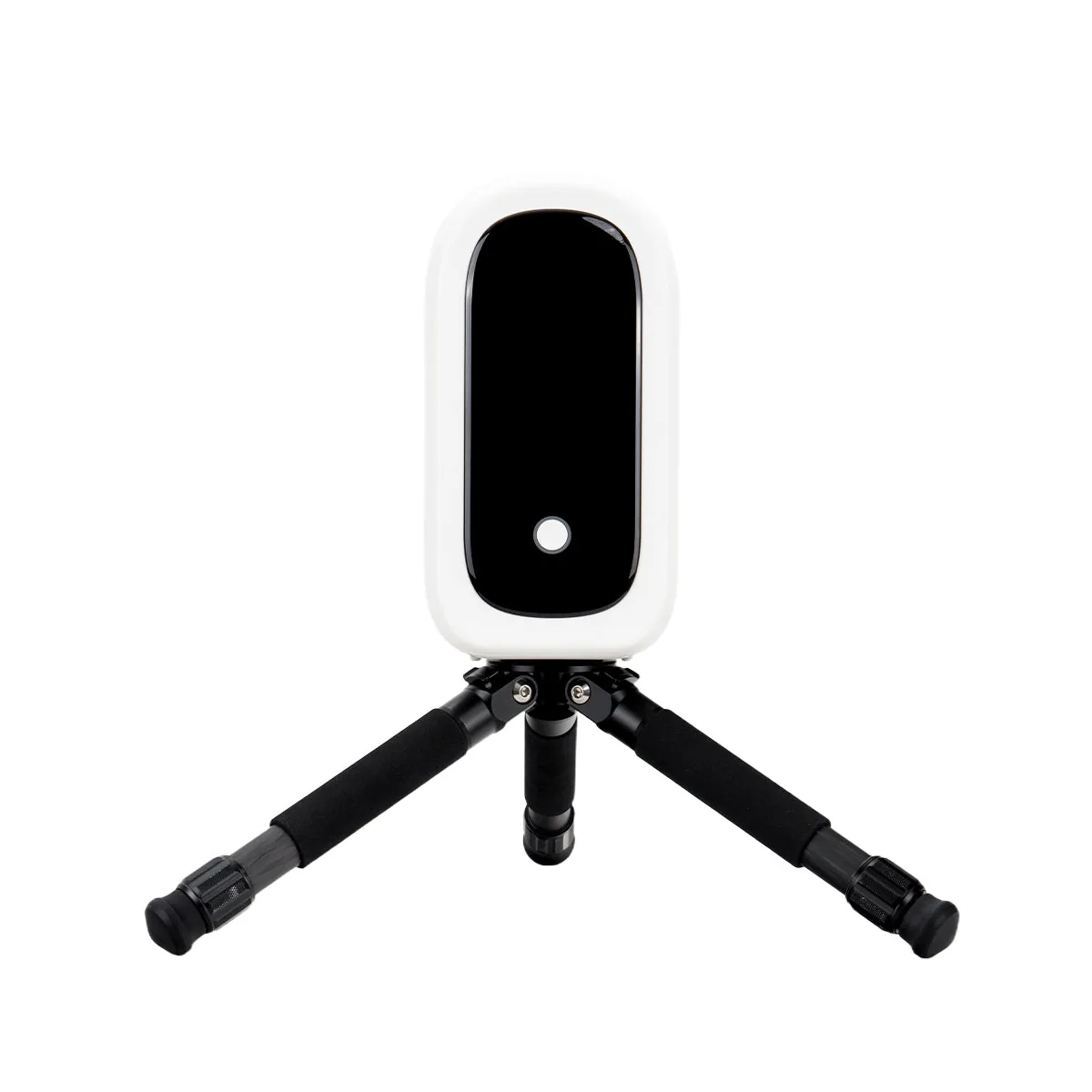
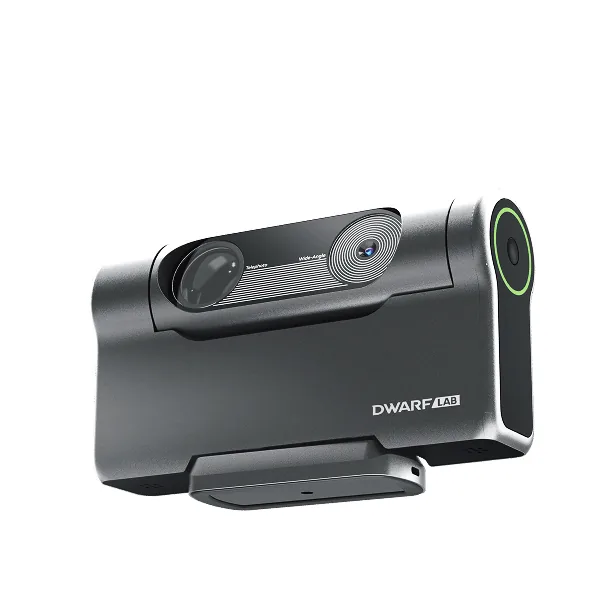
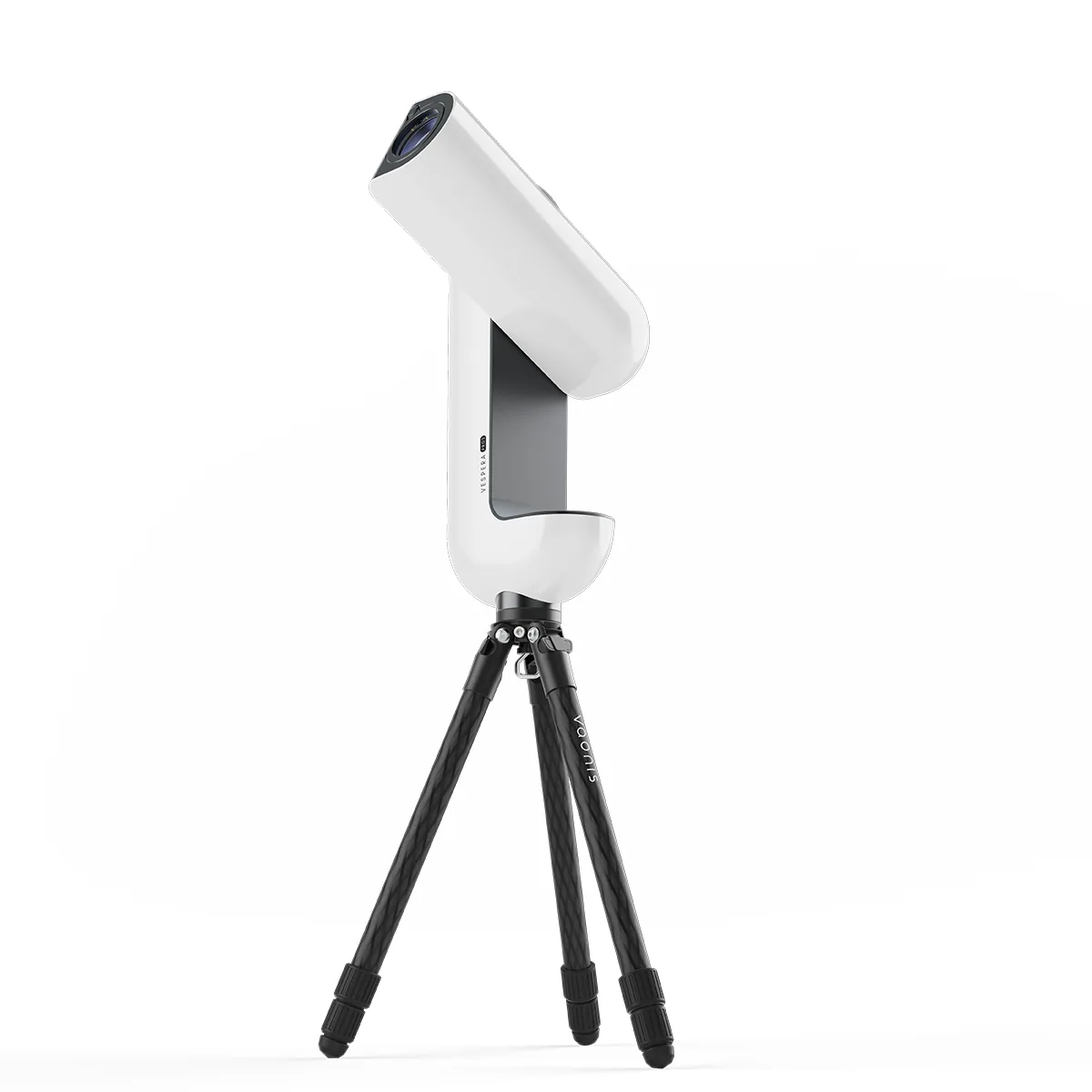
Frequently asked questions
Can smart telescopes see planets?
Yes. Every model shows Jupiter, Saturn, Mars and Venus, but detail depends on the image scale: models around 1 to 1.5″ per pixel (Unistellar, Celestron Origin) show bands and rings; models around 2 to 4″ show small discs.
What is the best smart telescope for viewing planets and galaxies?
In our data, the Unistellar eQuinox 2: No. 1 for planets and No. 3 for astrophotography, at $2,319 on sale on November 9, 2026. The Celestron Origin Mark II has more aperture for $4,299.
Is the Seestar S50 Pro good for planets?
It shows them, small: at 2.3″ per pixel Jupiter is about 20 pixels wide on the raw image. It is much stronger on nebulae and galaxies, where it leads our astrophotography ranking.
Which smart telescope is best for Saturn?
The models with the finest image scale: the Unistellar Odyssey (0.93″), the Celestron Origin Mark II (1.23″) and the Unistellar eQuinox 2 (1.33″). At those scales, Saturn's globe is about 15 to 22 pixels wide on the raw image, with the rings around it.
Can you see galaxies with a smart telescope from the city?
Bright ones, yes, with patience and on moonless nights. Galaxies do not benefit from light pollution filters, so a darker site improves them more than any upgrade.