The difference in one evening
Picture the same clear Friday. With a traditional telescope, you carry it out, let it cool, align a finder, look up a chart, and hunt for the Orion Nebula. When you find it, you see a soft gray cloud with four bright stars in the middle, live, with your own eye. It is a quiet, personal moment, and it is the reason classic astronomy has fans for life.
With a smart telescope, you set it on its tripod, open the app and tap "Orion Nebula". A few minutes later, your phone shows the nebula in red and pink, and the picture keeps improving while you have dinner. You can share it with the family group chat before dessert. Less romance, much less friction.
Side by side
| Smart telescope | Traditional telescope | |
|---|---|---|
| How you see | On a phone or tablet (an electronic eyepiece on two Unistellar models) | Through an eyepiece, live |
| Finding targets | Automatic: plate solving and GoTo | By hand with charts, or a computerized mount |
| Nebulae in color | Yes, after a few minutes of stacking | No, the eye sees them in gray |
| Planet detail | Small on most models | Better on a large aperture |
| From a bright suburb | Works well on emission nebulae with a dual-band filter | Faint targets mostly washed out |
| Photos | Built in, with FITS or raw files on most models | Needs a camera and often a tracking mount |
| Typical price | $399 to $4,999 (our 2026 data) | Wide range; a good beginner Dobsonian costs far less than premium smart telescopes |
When a smart telescope is the better buy
- You have little time and want to observe on weeknights.
- You live under a suburban or city sky and want nebulae anyway.
- You want photos to keep and share, not just a view.
- You observe with family or friends: the phone view is easy to share; Unistellar says up to 10 people can follow the same view.
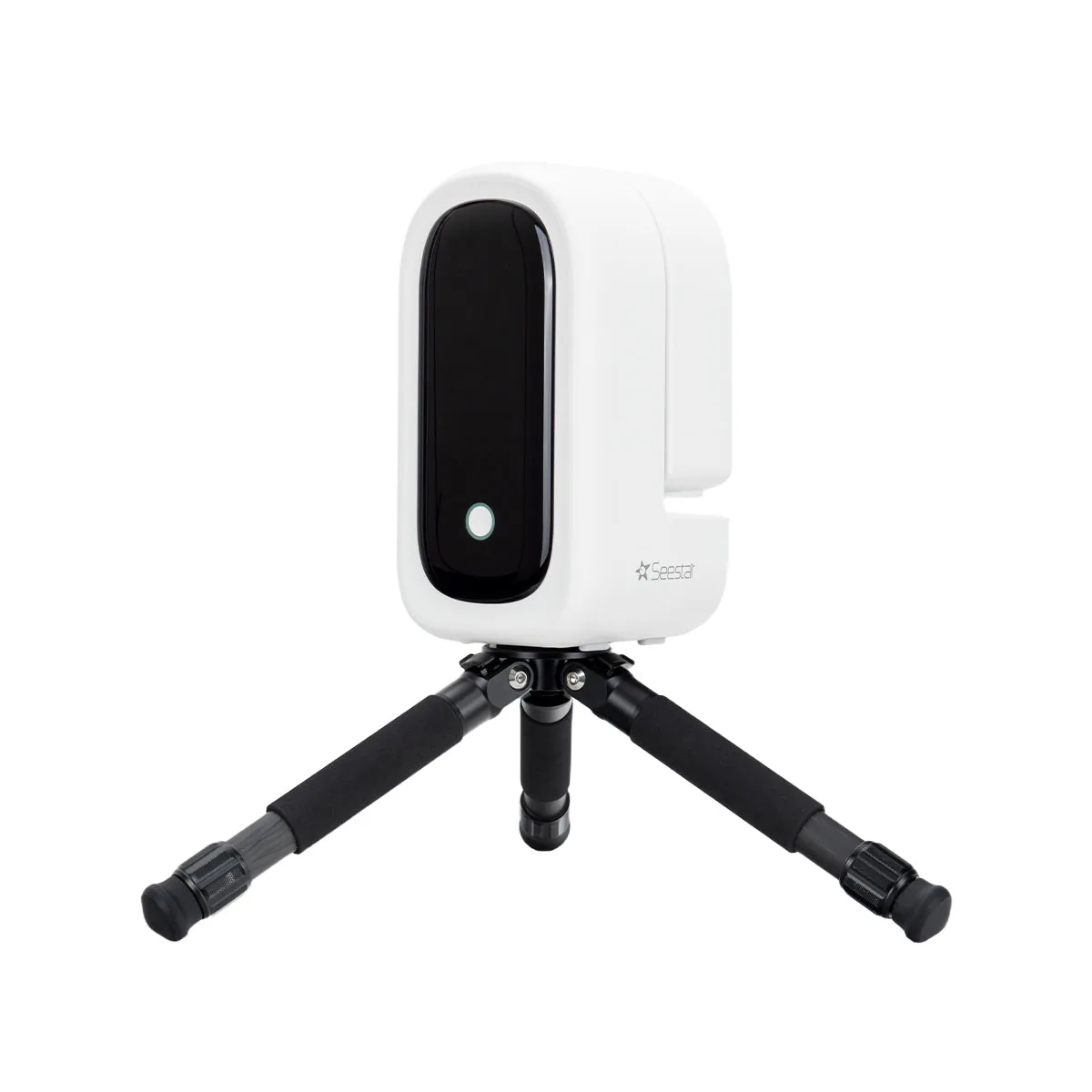
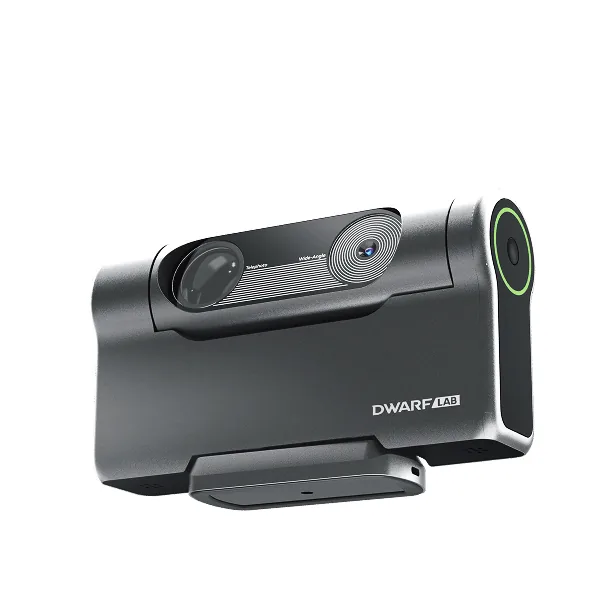
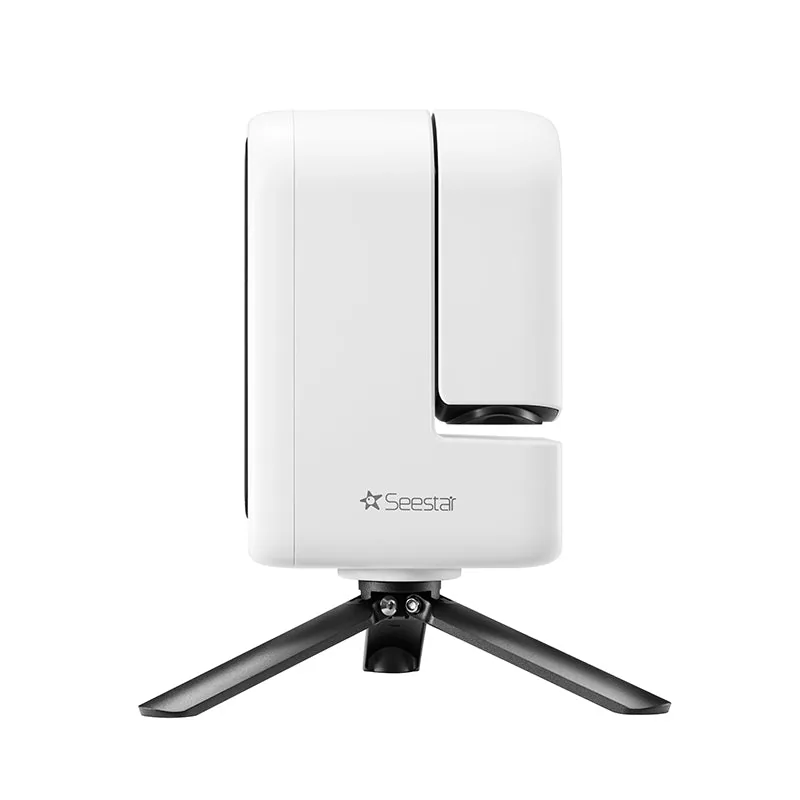
- You travel: the DWARF mini weighs 840 g and the Seestar S30 Pro 1.65 kg.
For a first smart telescope, start with our beginner ranking: every model there has autofocus and needs no collimation.
When a traditional telescope is the better buy
- You want to see with your own eye, and the moment matters more than the picture.
- Planets are your passion: aperture and long focal length win there.
- You enjoy learning the sky and finding objects yourself.
- You have dark skies nearby, where a large aperture shows a lot visually.
TipIf you love the eyepiece but want automation, the Unistellar Odyssey Pro and eVscope 2 are smart telescopes with an electronic eyepiece. They are also the most expensive in our list.
Can you have both?
Many observers end up with both, because the two do not compete for the same minutes of the night. A smart telescope can run on its own in the yard, stacking a faint nebula for an hour, while you look at the Moon or Saturn through a classic telescope a few steps away. The smart one brings home the picture; the classic one gives you the moment at the eyepiece.
If you already own a traditional telescope, a small smart telescope such as the Seestar S30 Pro or the DWARF 3 is a natural addition: light, quick to set up, and good at the wide nebulae that most classic telescopes frame poorly. If you start with a smart telescope and catch the bug, a classic telescope later fills the planet gap.
Cost over the first year
The smart telescope price is mostly all-in, with a few extras worth budgeting. The table below lists them for the most popular models, with prices checked on November 9, 2026.
| Model | Price | Extras to budget |
|---|---|---|
| Seestar S30 Pro | $699 | TH10 head + TC20 tripod for Equatorial Mode: $189 |
| Seestar S50 Pro | $999 | TH10 head for Equatorial Mode: $99 |
| DWARF 3 | $549 | Mini hydraulic tripod: $89 |
| DWARF mini | $419 | Mini tripod $89, bag $39 |
| Vaonis Vespera 3 | $2,490 | Optional light pollution or dual-band filter |
| Unistellar Odyssey | $2,079 (sale) | Smart Solar Filter $159 (sale) |
Telescopes mentioned in this guide
Frequently asked questions
Is a smart telescope better than a regular telescope?
Better for photographing nebulae and galaxies quickly and from bright skies; not better for seeing planets live through an eyepiece. They do different jobs.
Can you look through a smart telescope?
Usually not: the image goes to your phone. The Unistellar Odyssey Pro and eVscope 2 have an electronic eyepiece.
What is the best telescope for a beginner?
If you want photos with little setup, a smart telescope from our beginner ranking. If you want to observe with your eye on a budget, a classic Dobsonian is the traditional answer.
Do I need a computer for a smart telescope?
No, a phone or tablet is enough. A computer helps only if you want to process the raw or FITS files yourself.