US prices checked on November 9, 2026 · 15 smart telescopes compared, from $399 to $4,999

Ranking by use, updated November 9, 2026

Best smart telescope for beginners in 2026

Short answer: the Seestar S50 tops our beginner weights when you can find it ($549, sold out at ZWO US when we checked), with the Seestar S50 Pro ($999) and the DWARF 3 ($549) right behind. All three have autofocus, a built-in light pollution filter and need no collimation.

At a glance

For a first smart telescope, buy a Seestar or a DWARF. The top six cost $399 to $999, focus themselves, need no collimation and do the finding and tracking for you. The Seestar S50 leads this page if you can find one; the Seestar S50 Pro and the DWARF 3 are the picks that were in stock. We left out the Unistellar eQuinox 2 and eVscope 2: good telescopes, but you focus and collimate them yourself, which nobody should have to learn on night one. Price and warranty count more here than on the main ranking (weights).

If you are also weighing a classic telescope, our guide smart telescope vs traditional telescope explains what each one shows you on a first night.

Specs side by side

The 10 telescopes of this ranking, line by line. Tap a column to sort.

Comparison tool
Specs: Best smart telescope for beginners in 2026
ZWO Seestar S50ZWO Seestar S508.68.9$54950 mm250 mm2.42″/pxSony IMX462 · 2.1 MP2.5 kgNot stated
ZWO Seestar S50 ProZWO Seestar S50 Pro8.88.8$99950 mm260 mm2.3″/pxOmniVision OS08B10 · 8.3 MP2.8 kg9 h
DWARFLAB DWARF 3DWARFLAB DWARF 38.68.8$54935 mm150 mm2.75″/pxSony IMX678 Starvis 2 · 8 MP1.35 kg5.5 h
ZWO Seestar S30ZWO Seestar S308.38.7$39930 mm150 mm4.02″/pxSony IMX662 · 2.1 MP1.65 kgNot stated
ZWO Seestar S30 ProZWO Seestar S30 Pro8.58.7$69930 mm160 mm3.76″/pxSony IMX585 · 8.3 MP1.65 kgNot stated
DWARFLAB DWARF miniDWARFLAB DWARF mini8.28.6$41930 mm150 mm3.99″/pxSony IMX662 · 2.1 MP0.84 kg4 h
Vaonis Vespera 3Vaonis Vespera 38.48.3$2,49050 mm245 mm2.39″/pxSony IMX585 · 8.3 MP5 kg11 h
Vaonis Vespera Pro 2Vaonis Vespera Pro 28.58.3$2,99050 mm245 mm1.6″/pxSony IMX676 · 12.5 MP5 kg11 h
Vaonis Vespera IIVaonis Vespera II8.28.2$1,59050 mm250 mm2.39″/pxSony IMX585 · 8.3 MP5 kg4 h
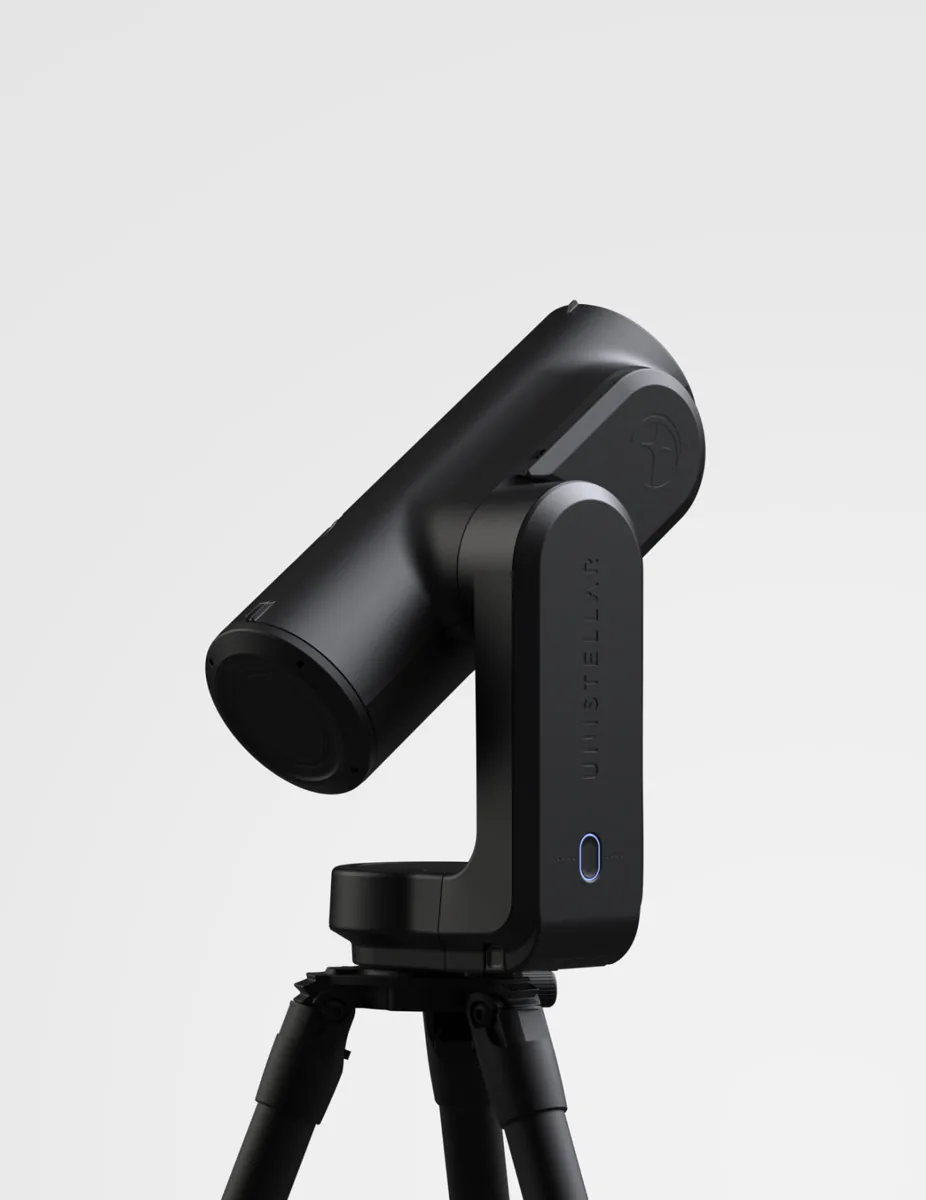
Unistellar OdysseyUnistellar Odyssey8.48.2$2,07985 mm320 mm0.93″/pxNot stated4 kg5 h

The ranking in detail

Ordered by our beginner score: price 35%, aperture 15%, light pollution filter 10%, battery life 10%, portability (weight) 10%, warranty 10%, sensor resolution 5%, image scale (detail) 5%. The overall score is shown too. Scope: smart telescopes with autofocus and no collimation to do, the two chores a first-time owner should not have to learn.

Some links are affiliate links: we may earn a commission at no extra cost to you. It never changes our scores. Disclosure

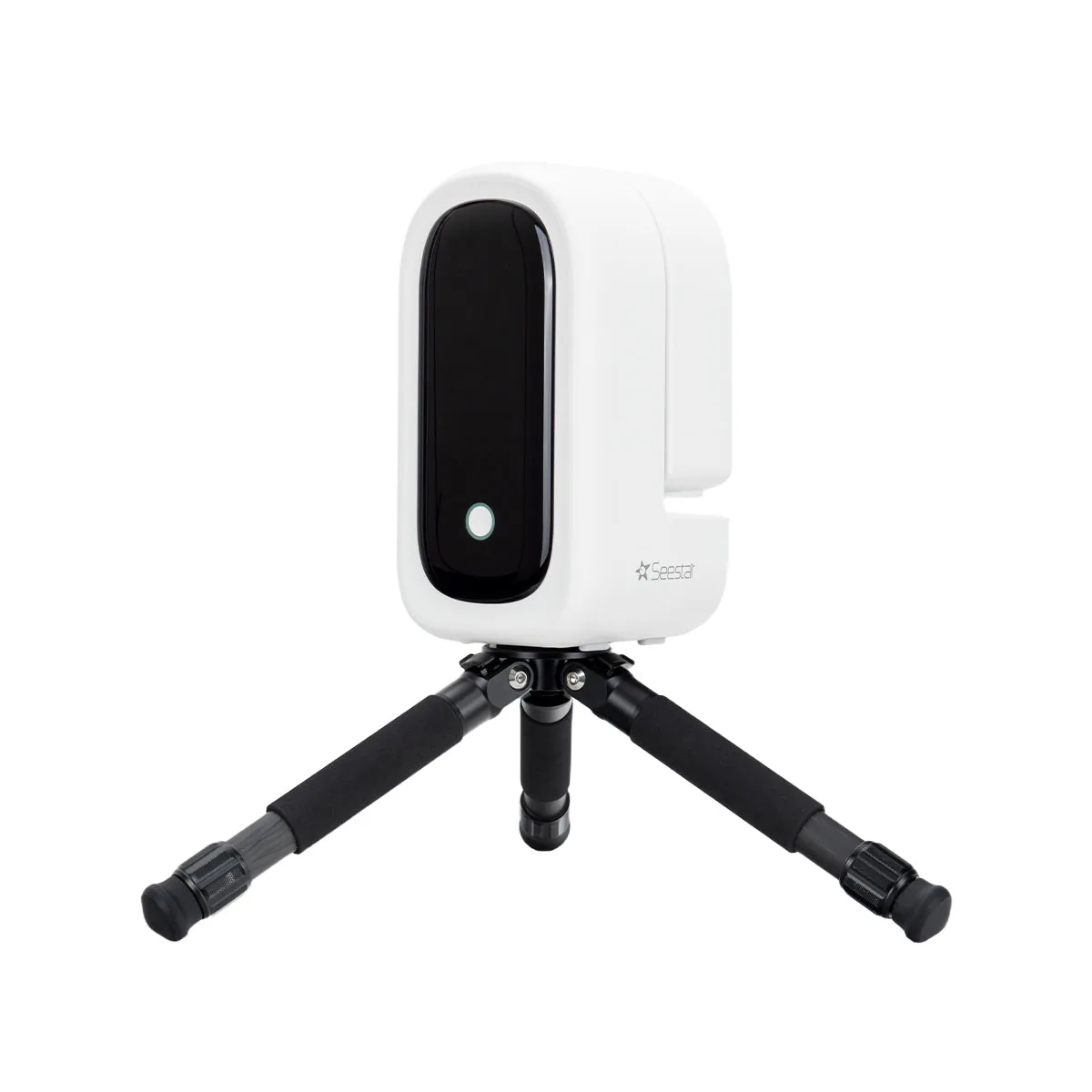
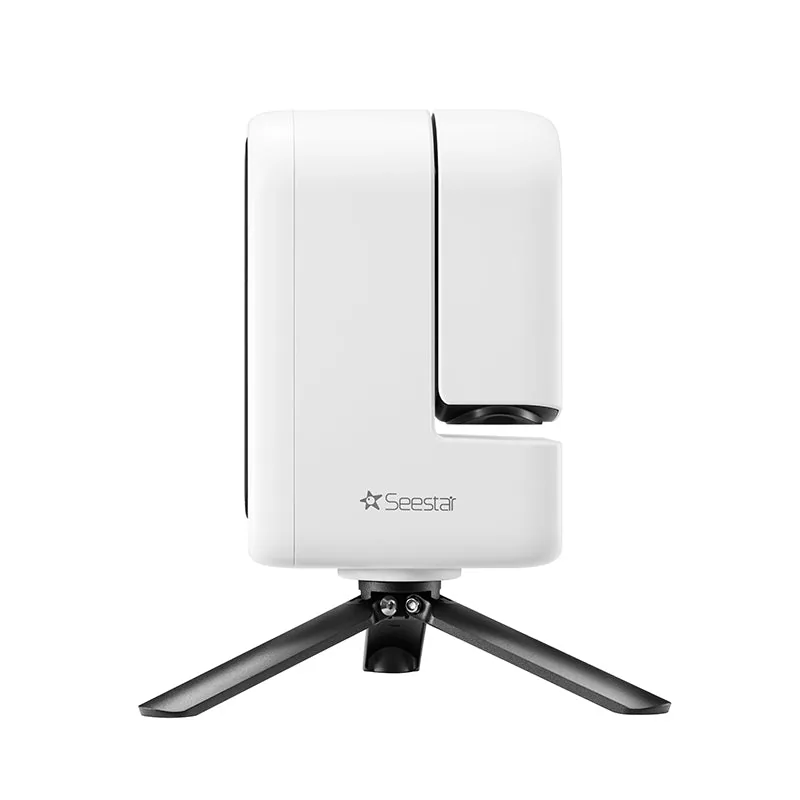
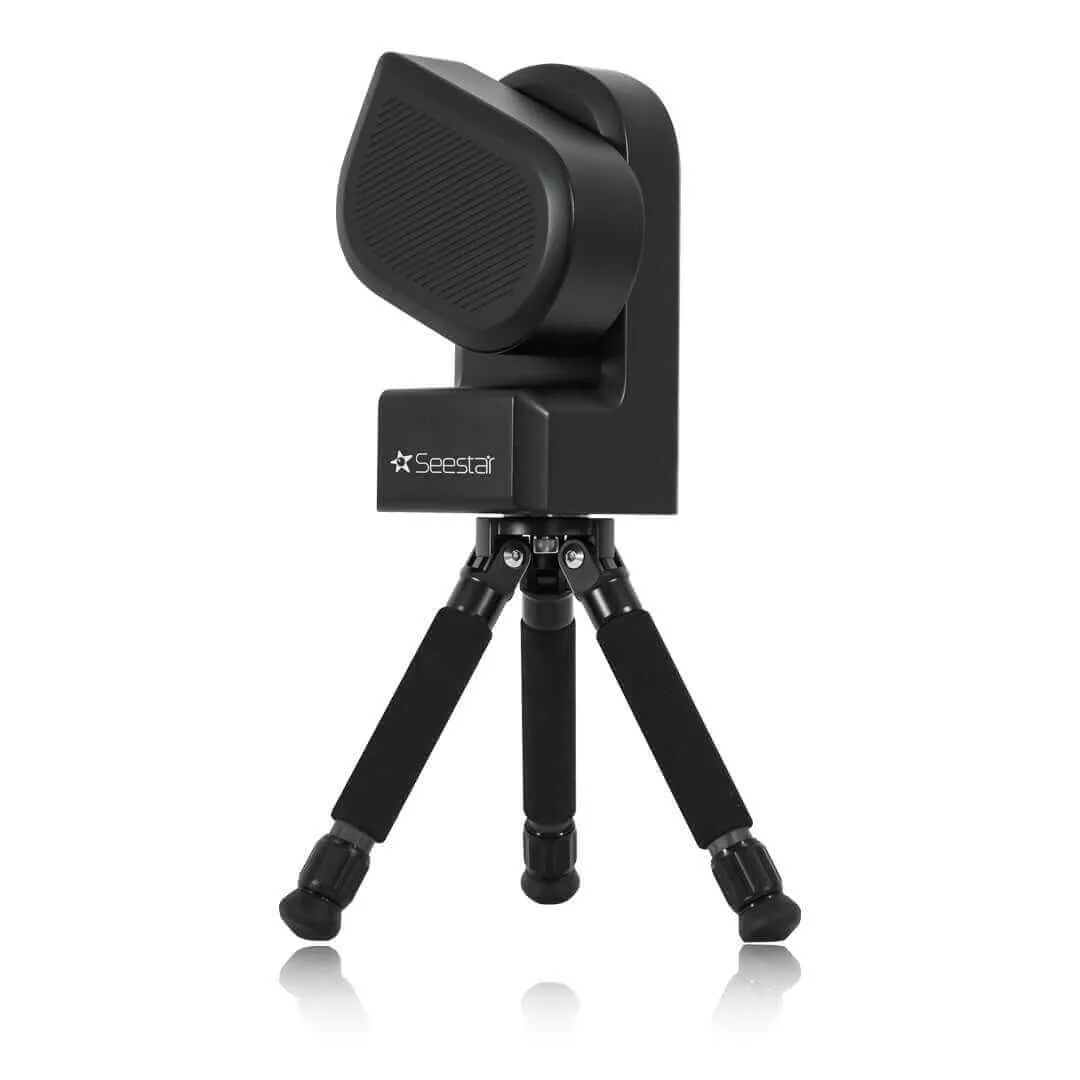
1ZWO Seestar S50
ZWO SeestarSold out at the official US store

ZWO Seestar S50

8.6Very good · out of 108.9 beginner

Still the aperture-per-dollar pick at $549 with a built-in filter and Equatorial Mode, if you can find one: sold out at ZWO US when we checked.

Aperture
50 mm
Sensor
2.1 MP
Scale
2.42″/px
Weight
2.5 kg
  • 50 mm apochromatic triplet with ED glass and a 250 mm focal length, according to ZWO
  • Duo-band light pollution filter built in, switched from the app
  • Alt-azimuth mount that also supports Equatorial Mode
$549Price checked on November 9, 2026
2ZWO Seestar S50 Pro
ZWO Seestar

ZWO Seestar S50 Pro

8.8Very good · out of 108.8 beginner

Two 4K cameras, a 50 mm lens, a built-in dual-band filter and a stated 9-hour battery for $999. The fewest weak spots for the money.

Aperture
50 mm
Sensor
8.3 MP
Scale
2.3″/px
Weight
2.8 kg
Battery
9 h
  • Two 4K cameras: a 50 mm telephoto with a 1/1.2-inch sensor and a 63° wide-angle camera
  • Up to 9 hours on its 10,000 mAh battery, by ZWO laboratory figures
  • Equatorial Mode with 60-second exposures, plus ASCOM Alpaca support for N.I.N.A.
$999Price checked on November 9, 2026
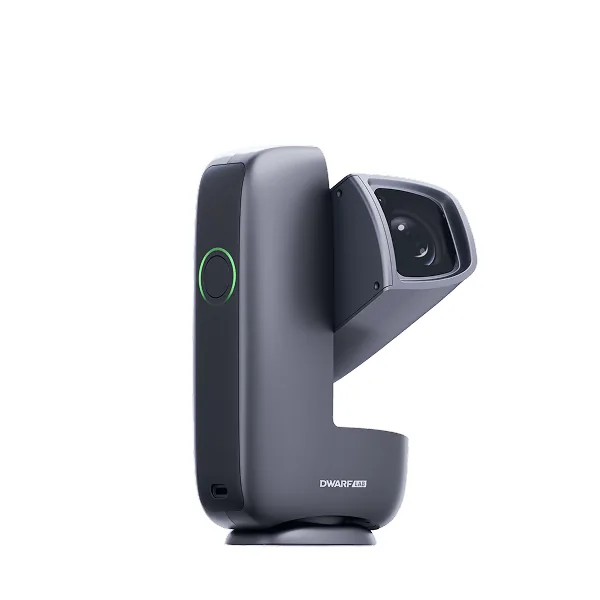
3DWARFLAB DWARF 3
DWARFLAB

DWARFLAB DWARF 3

8.6Very good · out of 108.8 beginner

The most complete 1.35 kg package: 8 MP Sony IMX678, wide camera, three filters, 60 s exposures, IP54. The lens is only 35 mm.

Aperture
35 mm
Sensor
8 MP
Scale
2.75″/px
Weight
1.35 kg
Battery
5.5 h
  • Telephoto with a Sony IMX678 Starvis 2 sensor (737 mm equivalent) plus a 45 mm-equivalent wide camera
  • Three filters built in, including a dual-narrowband filter for city skies
  • Up to 60 s exposures, Equatorial Mount Mode and IP54 protection, at 1.35 kg
$549Price checked on November 9, 2026
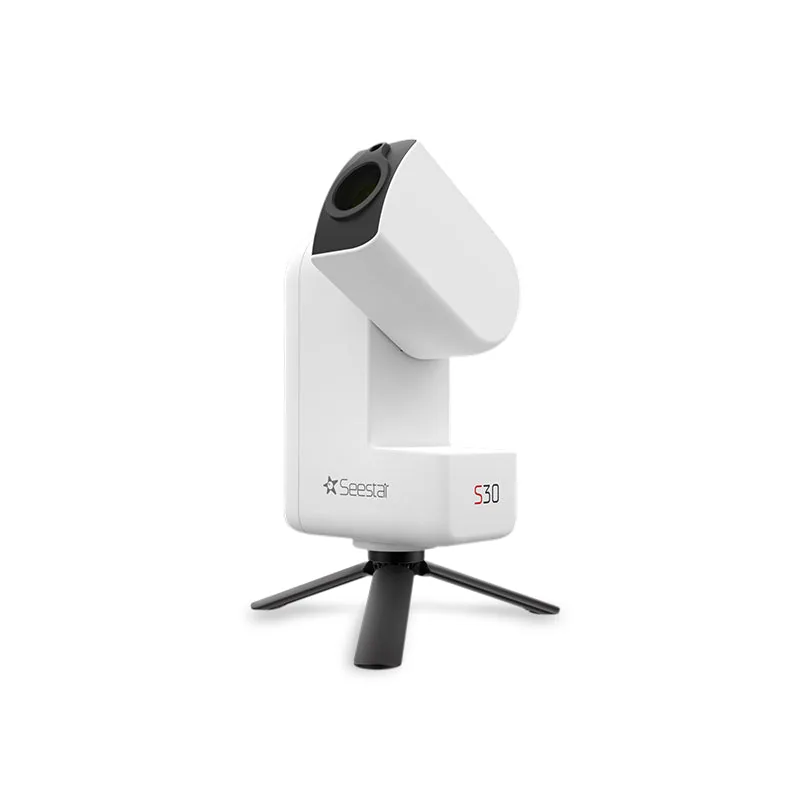
4ZWO Seestar S30
ZWO SeestarSold out at the official US store

ZWO Seestar S30

8.3Good · out of 108.7 beginner

The cheapest way in at $399: 30 mm triplet, dual-band filter, wide camera, 1.65 kg. Sold out at ZWO US when we checked.

Aperture
30 mm
Sensor
2.1 MP
Scale
4.02″/px
Weight
1.65 kg
  • 30 mm apochromatic triplet and 150 mm focal length in a 1.65 kg body, according to ZWO
  • Second wide-angle camera with a 23.2° field
  • Duo-band light pollution filter built in
$399Price checked on November 9, 2026
5ZWO Seestar S30 Pro
ZWO Seestar

ZWO Seestar S30 Pro

8.5Very good · out of 108.7 beginner

4K telephoto and wide cameras in 1.65 kg for $699, with a 4.6° field made for big nebulae and Milky Way mosaics.

Aperture
30 mm
Sensor
8.3 MP
Scale
3.76″/px
Weight
1.65 kg
  • 4K telephoto with a 1/1.2-inch Sony IMX585 sensor, plus a 4K wide-angle camera with a 63° field
  • 4-element apochromatic lens with ED glass and active anti-dew control
  • 128 GB of storage and a 1.65 kg body
$699Price checked on November 9, 2026
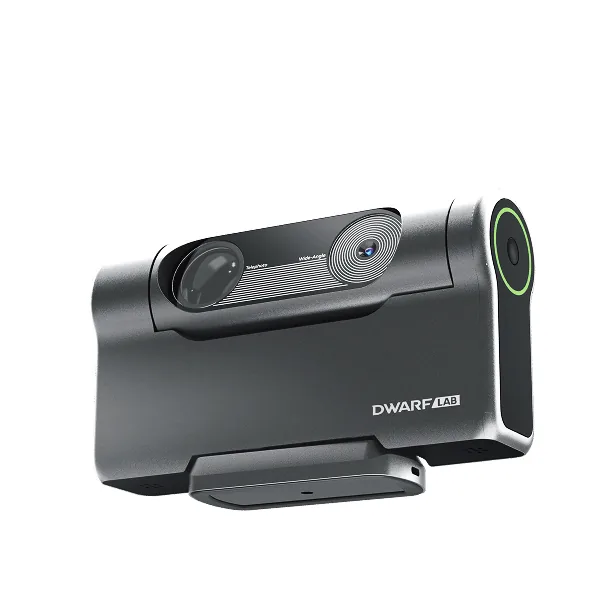
6DWARFLAB DWARF mini
DWARFLAB

DWARFLAB DWARF mini

8.2Good · out of 108.6 beginner

The lightest at 840 g and the cheapest in stock at $419, with 90 s exposures. Its 2.07 MP sensor keeps images small.

Aperture
30 mm
Sensor
2.1 MP
Scale
3.99″/px
Weight
0.84 kg
Battery
4 h
  • 840 g body, the lightest smart telescope in our list
  • Dual-narrowband filter built in and exposures of up to 90 seconds
  • GoTo, tracking and one-tap post-processing from the DWARFLAB app
$419Price checked on November 9, 2026
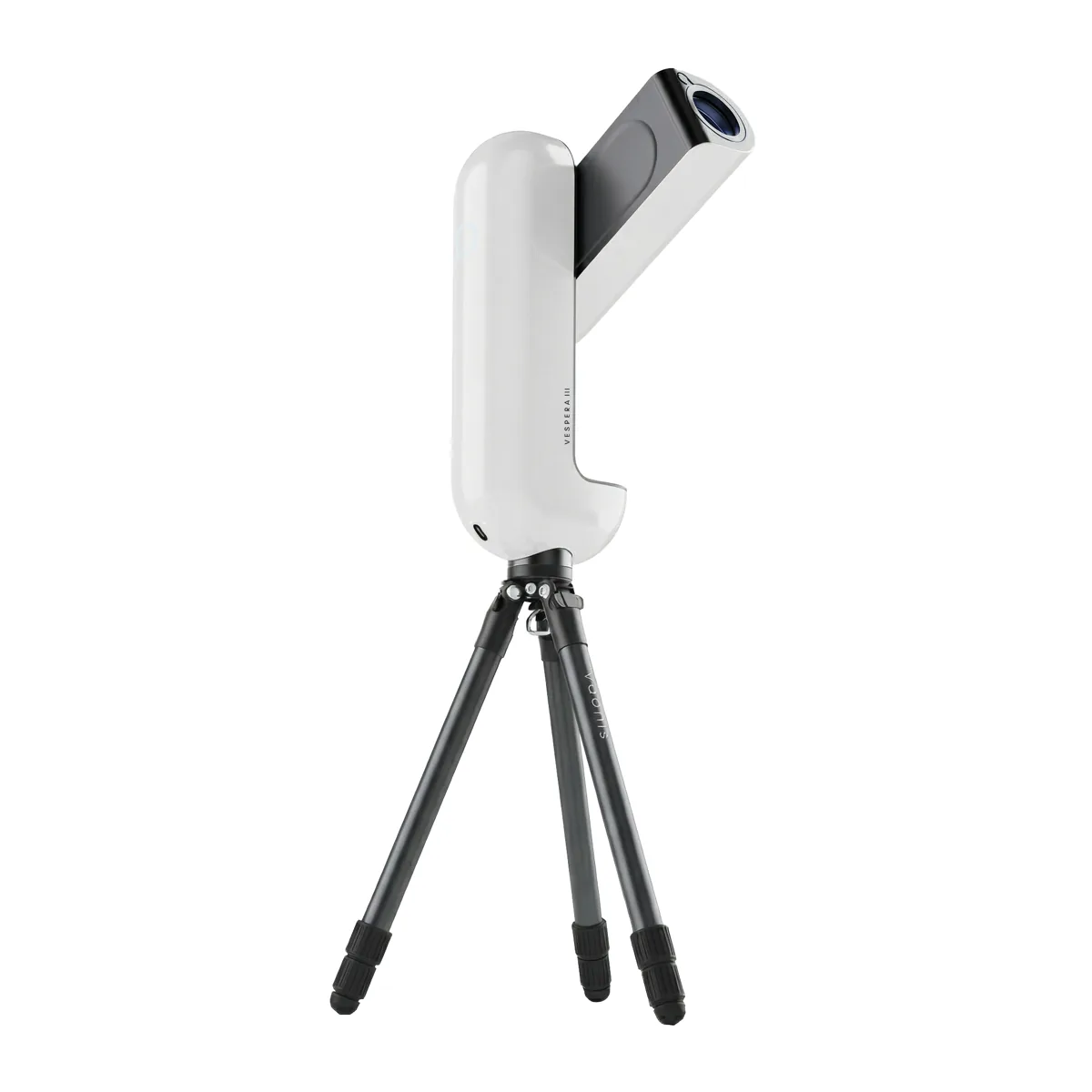
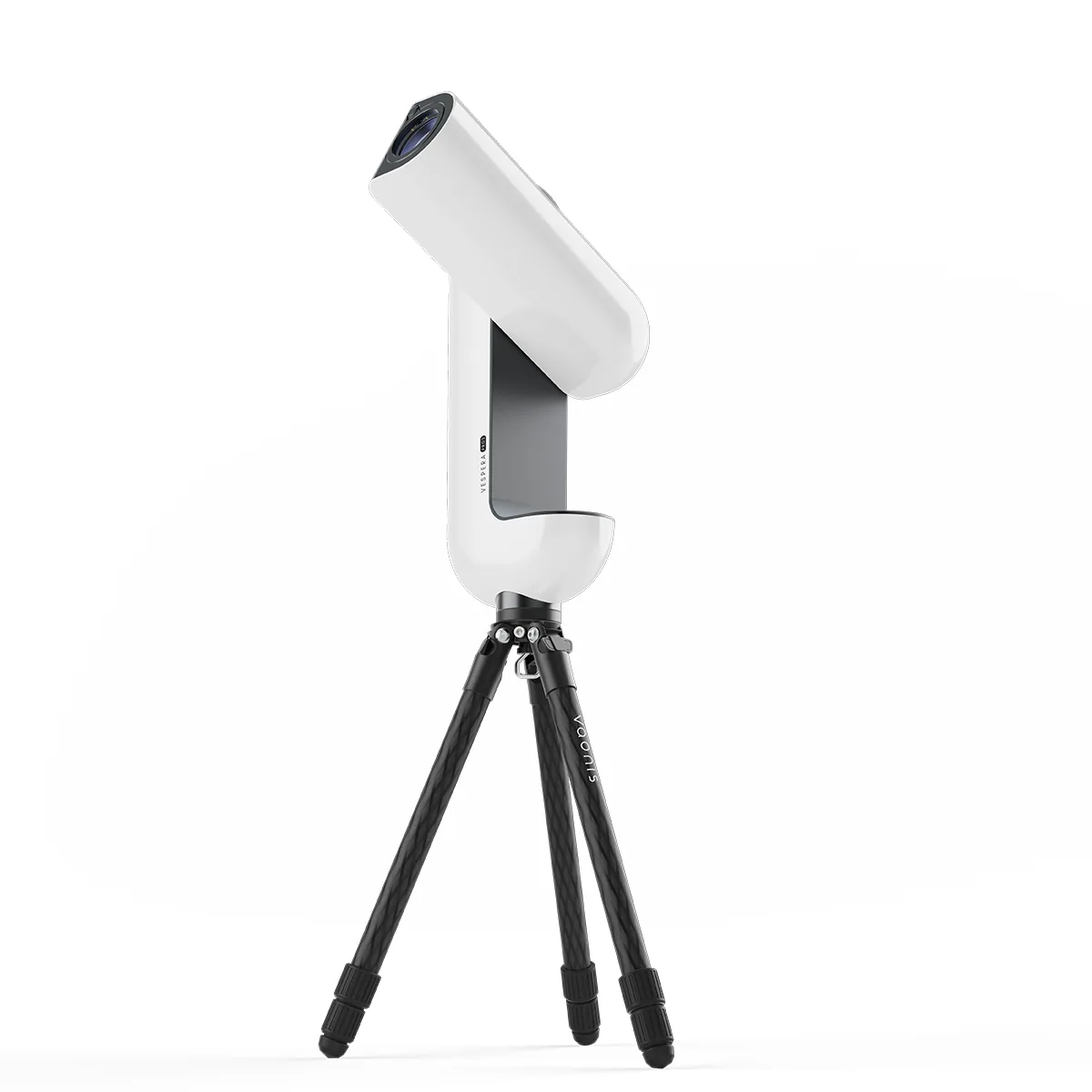
7Vaonis Vespera 3
Vaonis

Vaonis Vespera 3

8.4Good · out of 108.3 beginner

11 hours of battery, a dew heater with humidity sensor, a tripod in the box and a 5-year warranty. You pay for comfort, not aperture.

Aperture
50 mm
Sensor
8.3 MP
Scale
2.39″/px
Weight
5 kg
Battery
11 h
  • 11 hours of battery life and 128 GB of storage (115 GB usable), according to Vaonis
  • New Petzval-inspired quadruplet with optical baffles against stray light
  • Dew heater with a humidity and temperature sensor, aluminium tripod included
$2,490Price checked on November 9, 2026
8Vaonis Vespera Pro 2
Vaonis

Vaonis Vespera Pro 2

8.5Very good · out of 108.3 beginner

The finest native resolution here (12.5 MP square sensor, 1.60″ per pixel), manual controls and a 5-year warranty. Still 50 mm.

Aperture
50 mm
Sensor
12.5 MP
Scale
1.6″/px
Weight
5 kg
Battery
11 h
  • 12.5 MP square Sony IMX676 sensor and mosaics of up to 50 MP, according to Vaonis
  • Manual exposure, gain and calibration frames, with 16-bit RAW export
  • 256 GB of storage (225 GB usable), carbon tripod and fly case in the box
$2,990Price checked on November 9, 2026
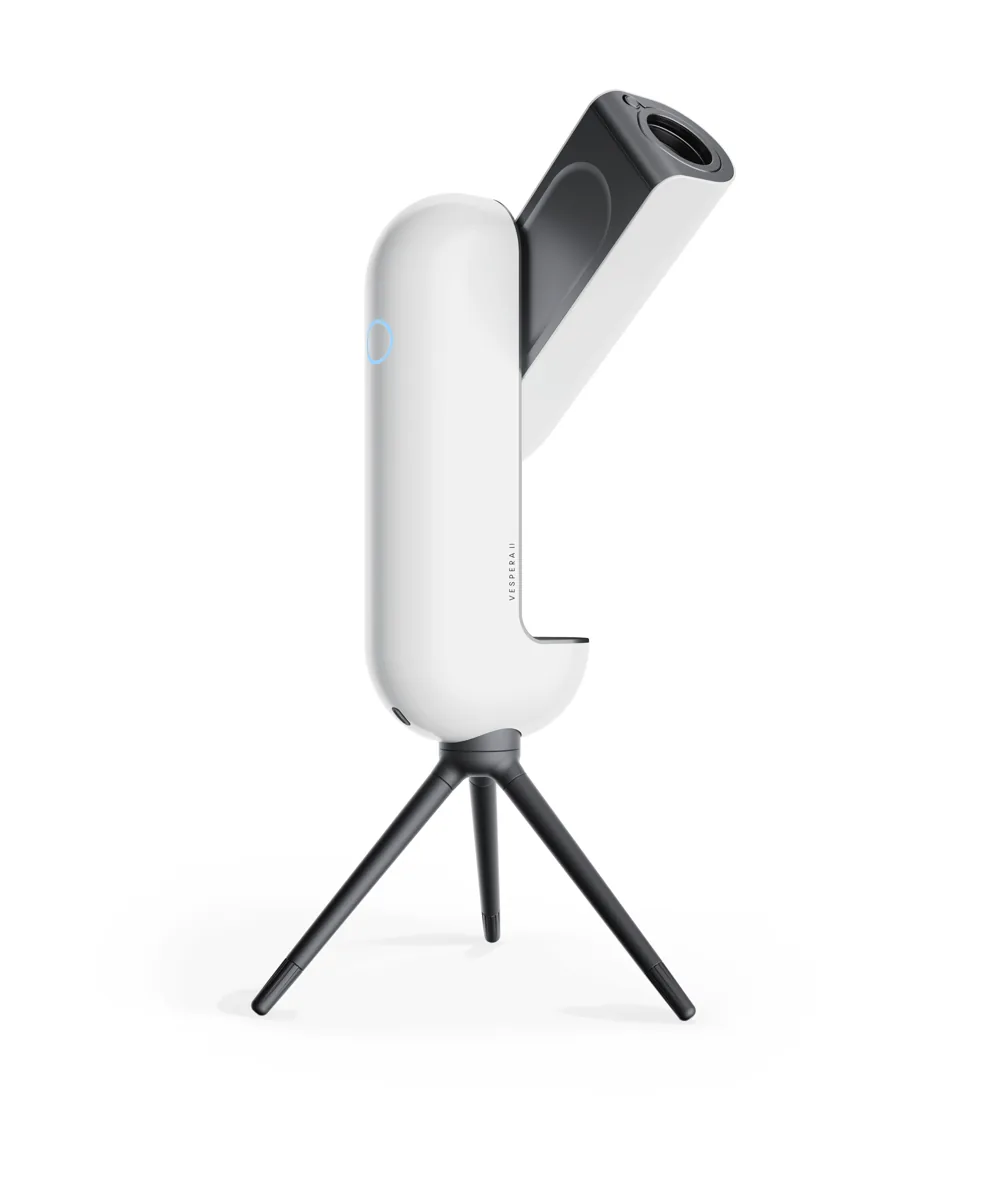
9Vaonis Vespera II
Vaonis

Vaonis Vespera II

8.2Good · out of 108.2 beginner

Lovely design, 8.3 MP sensor and a 3-year warranty, but a 4-hour battery and optional filter for $1,590 on early-bird pricing.

Aperture
50 mm
Sensor
8.3 MP
Scale
2.39″/px
Weight
5 kg
Battery
4 h
  • Sony IMX585 sensor behind a 50 mm apochromatic quadruplet, 8.3 MP native and 24 MP with the CovalENS mosaic mode
  • One touch button and automatic initialization from the Singularity app
  • Vaonis lists a 3-year warranty and IP43 weather protection
$1,590$1,690Price checked on November 9, 2026 · Early-bird price listed by Vaonis until November 15, 2026
10Unistellar Odyssey
Unistellar

Unistellar Odyssey

8.4Good · out of 108.2 beginner

85 mm Nikon-optics reflector with autofocus, a 0.93″ image scale for the Moon and planets, and a live view up to 10 people can share.

Aperture
85 mm
Scale
0.93″/px
Weight
4 kg
Battery
5 h
  • 85 mm Nikon-optics reflector with Stellar Autofocus: no focusing or collimation, according to Unistellar
  • You observe on a phone or tablet; up to 10 people can follow the same view, per Unistellar
  • 5 hours of battery, 4 kg telescope, premium tripod included
$2,079$2,599Price checked on November 9, 2026 · Black Friday sale price on the Unistellar US store ("limited time", no end date stated)

Images: manufacturers

How to choose

Start under $1,000

Every model in the top six costs $999 or less. A first season tells you whether you want more aperture, more resolution or more portability, and you can buy the next one knowing.

Prefer a built-in filter

From the suburbs, the dual-band filter in Seestar and DWARFLAB models is what makes emission nebulae show up on night one.

Count the extras

DWARFLAB sells its tripod separately ($89). Vaonis sells filters separately. Seestar Equatorial Mode needs extra accessories.

Mind the returns

Opened returns cost 10% at ZWO US; DWARFLAB requires new condition; Vaonis advertises a 30-day free trial.

How we build this ranking

Every telescope gets the same nine criteria, each scored out of 10 from the official spec sheet and the US price checked on November 9, 2026. A missing figure removes the criterion and the other weights are rescaled; we never guess a value. This page re-weights the same values for its use (price 35%, aperture 15%, light pollution filter 10%, battery life 10%, portability (weight) 10%, warranty 10%, sensor resolution 5%, image scale (detail) 5%).

No brand pays for a place in this ranking, and a commission never moves a score: the formula only sees specs and prices.

  • Aperture: 15% here (25% overall)
  • Sensor resolution: 5% here (10% overall)
  • Image scale (detail): 5% here (10% overall)
  • Light pollution filter: 10% here (10% overall)
  • Battery life: 10% here (10% overall)
  • Portability (weight): 10% here (10% overall)
  • Tracking mode: 0% here (5% overall)
  • Warranty: 10% here (5% overall)
  • Price: 35% here (15% overall)

Frequently asked questions

What is the easiest smart telescope for a beginner?

All the models in this ranking have autofocus and need no collimation. Within them, the Seestar and DWARFLAB apps guide you from target choice to final image with one tap; Vaonis has a one-button start. The Unistellar eQuinox 2 and eVscope 2 are left out because they need manual focus and collimation.

How much should a beginner spend on a smart telescope?

Between $400 and $1,000 covers the top of this ranking: DWARF mini ($419), Seestar S30 ($399, sold out at ZWO US), DWARF 3 and Seestar S50 ($549), Seestar S30 Pro ($699) and S50 Pro ($999).

Is a smart telescope good for a child?

For a family, yes: the phone view is easy to share and nothing needs adjusting. An adult should handle solar observing, always with the solar filter, as every maker warns.

Can a beginner see planets with a smart telescope?

Yes, as small discs on the models in this ranking. Planet detail needs more aperture and a finer image scale; see our planet ranking.